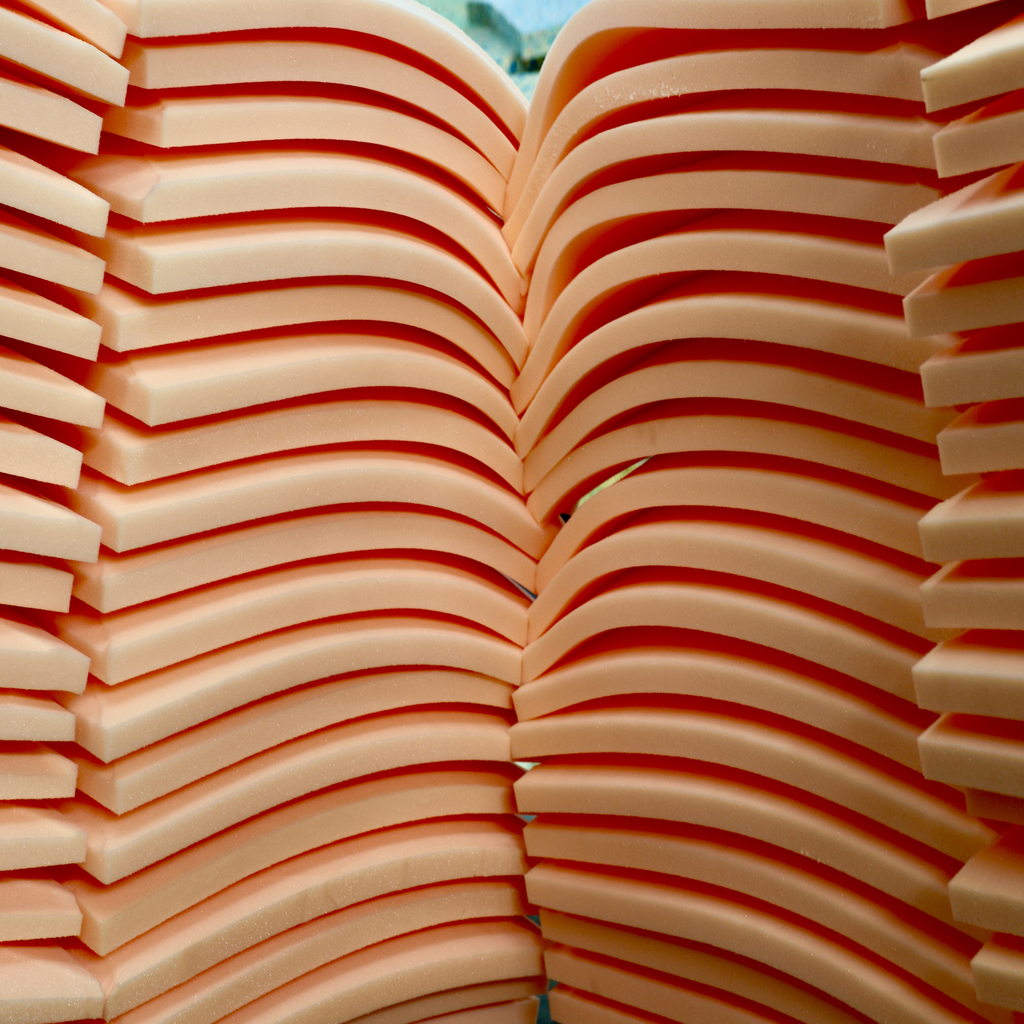
Foam serves multiple functions across many sectors due to its adaptable nature. Its structure consists of gas bubbles trapped within a solid or liquid matrix, which varies depending on the type and intended purpose. This structural diversity produces materials with a range of characteristics that influence their usability in different scenarios.
Various foam types differ significantly in durability, flexibility, density, and insulation properties. These variations allow them to be used in products such as mattresses, soundproofing panels, furniture, packaging, and thermal insulators. Some foams offer enhanced breathability, while others prioritise firmness or cushioning.
Key attributes to consider include:
Thermal insulation: foams can reduce heat transfer, beneficial for building insulation and appliances.
Sound absorption: certain foams effectively decrease noise levels, aiding in soundproofing.
Longevity and resilience: durability varies, influencing how long a foam can maintain its shape and function.
Density and firmness: these affect comfort and support, particularly in bedding and seating applications.
Environmental impact is increasingly important when selecting foam. Factors such as recyclability, production emissions, and availability of sustainable alternatives are considered to reduce environmental footprints. Life cycle assessments help determine the overall effect of foam from manufacture to disposal.
Foam Characteristic
Typical Use
Notable Quality
Polyurethane Foam
Mattresses, furniture, insulation
Versatile and cost-effective
Memory Foam
Bedding, cushions
Contours to body shape
Latex Foam
Mattresses, medical supports
Natural and durable
An informed foam choice depends on matching these characteristics to the specific needs of the application.
Industry
Polyurethane Use
Furniture
Cushions and mattress foam
Construction
Thermal insulation panels
Automotive
Seat cushioning and interior parts
Packaging
Protective foam inserts
Frequently Asked Questions
What are the common uses of polyurethane in building and construction?
Polyurethane is frequently used for insulation panels, sealants, adhesives, and coating applications. It provides thermal insulation, moisture resistance, and structural support in walls, roofs, and floors. Its flexibility and durability make it suitable for expanding sealants and protective coatings.
How can polyurethane be applied to wooden surfaces effectively?
Polyurethane can be applied as a clear finish on wood to enhance protection and appearance. It is typically brushed or sprayed in thin layers, allowing each coat to dry before lightly sanding and applying the next. This creates a hard, durable surface that resists moisture and wear.
Which industries most often use polyurethane materials?
Polyurethane is widely used across automotive, furniture, footwear, construction, and packaging industries. Its versatility supports cushioning, insulation, coatings, adhesives, and elastomers in these sectors due to its strength and adaptability.
What are the key ingredients that make up polyurethane?
Polyurethane is formed by the reaction of polyols (compounds with multiple alcohol groups) with isocyanates. Additives such as catalysts, surfactants, and blowing agents may be included to modify properties like foam density, flexibility, or curing speed.
What specific purposes does polyurethane foam fulfil?
Polyurethane foam serves as cushioning in furniture and mattresses, thermal insulation in buildings, and shock absorption in packaging. It comes in various densities and firmness levels to suit applications requiring support, comfort, or protection.
Could you list some products that include polyurethane components?
Products with polyurethane include upholstered furniture, car seats, insulation panels, footwear soles, coatings on floors and appliances, and protective packaging materials. Its adaptability allows integration in both rigid and flexible forms.