Open Cell vs Closed Cell Foam: Key Differences Explained

Material Characteristics and Performance Comparison

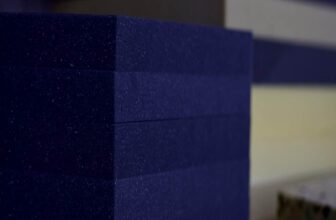
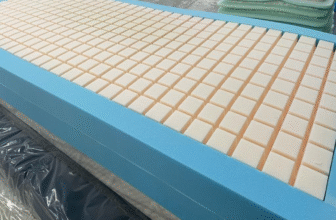
Open-cell and closed-cell foam display distinct structural differences that determine their performance in various applications. Open-cell foam features interconnected air pockets, making it softer, more flexible, and lightweight. This porous structure allows it to absorb sound effectively but limits its thermal insulation capabilities.

Closed-cell foam, by contrast, is composed of fully enclosed cells filled with gas, creating a denser and more rigid material. This compact structure enhances its resistance to moisture, mechanical stress, and external forces. Closed-cell foam typically offers higher durability and superior insulation properties compared to open-cell foam.

Feature
Open-Cell Foam
Closed-Cell Foam
Cell Structure 
Partially open, interconnected cells 
Fully enclosed cells filled with gas
 

Density

Low 

High

Flexibility 
Soft and pliable 
Rigid and firm
 
Thermal Insulation (R-value) 
Lower 
Higher
 
Moisture Resistance 
Poor, can absorb water 
Excellent, resistant to water ingress
 
Sound Absorption 

Excellent

Limited
 
Cost 
Generally less expensive 
More costly
 
Typical Use 
Soundproofing, cushioning, indoor 
Insulation, moisture barriers, outdoor

The thermal resistance, or R-value, of closed-cell foam surpasses that of open-cell foam, making it the preferred choice in settings requiring effective temperature control. Conversely, open-cell foam’s porous nature allows it to absorb sound waves efficiently. This makes it valuable for noise reduction in residential or commercial environments.

Moisture sensitivity is a key consideration. Since open-cell foam holds moisture, it may be unsuitable for damp or outdoor environments where water exposure occurs. Closed-cell foam’s impermeability prevents moisture penetration, maintaining its structural integrity over time.

When deciding which foam type to use, the primary considerations include the environment of application, desired insulation level, and acoustic needs. For projects prioritising sound absorption and flexibility, open-cell foam is advantageous. For projects demanding robust insulation, moisture resistance, and strength, closed-cell foam is more appropriate.

Each foam type presents trade-offs between cost, performance, and durability. Understanding these attributes ensures the selection aligns with project requirements, optimising results and longevity.

Frequently Asked Questions

What are the price variations between closed-cell and open-cell foam insulation?

Closed-cell foam is generally more expensive than open-cell foam due to its denser structure and enhanced material properties. The higher cost reflects increased durability, moisture resistance, and insulation performance. Open-cell foam offers a more budget-friendly option but with lower material density.

How do the insulation values of open-cell and closed-cell foam compare?

Closed-cell foam has a higher R-value per inch, typically around 6 to 7, making it more efficient at stopping heat transfer. Open-cell foam usually provides an R-value of about 3.5 to 4 per inch, which is lower but still effective for many applications. This difference results from closed-cell foam’s compact, sealed cell structure.

When is open-cell foam the better choice for insulating metal buildings?

Open-cell foam is preferred in metal buildings where ventilation and moisture control are less critical. Its flexibility allows it to expand and fill cavities thoroughly, helping reduce air leaks. It can also be beneficial where soundproofing is desired, as its open structure absorbs noise better.

What benefits does closed-cell foam offer in attic insulation compared to open-cell foam?

Closed-cell foam resists moisture infiltration and adds structural strength, making it suitable for attics exposed to varying weather conditions. Its higher density and water resistance prevent mould and dampness more effectively than open-cell foam, which is more susceptible to moisture accumulation.

What components are used to make closed-cell foam insulation?

Closed-cell foam consists of tiny, sealed cells filled with gases such as HFCs or other blowing agents to provide rigidity and water resistance. Its main ingredients include polyurethane or polyisocyanurate resin, combined with additives that enhance its foam stability and insulation properties.

Which foam type enhances a residential property’s energy efficiency more effectively?

Closed-cell foam typically improves energy efficiency better because of its higher thermal resistance and ability to create an air barrier. It reduces heat loss and prevents air infiltration more effectively, which helps maintain stable indoor temperatures and reduces energy consumption. Open-cell foam offers decent insulation but is less effective at blocking moisture and air.

We will be happy to hear your thoughts

Leave a reply

rpll.co.uk
Logo