Memory Foam for Office Chairs: Comfort and Support

Product Features and Benefits

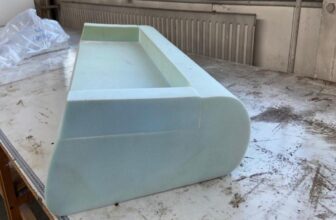
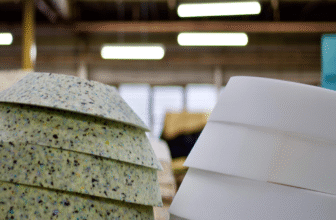
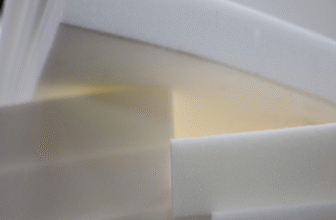
Memory foam office chairs are designed to improve comfort and provide effective support during extended periods of sitting. They mould to the user’s body shape, helping to maintain correct spinal alignment and reducing strain on pressure points.

Key advantages include:

  • Ergonomic support: Adapts to body contours for tailored comfort.
  • Pressure relief: Minimises discomfort from prolonged sitting.
  • Posture improvement: Encourages proper alignment to prevent slouching.
  • Durability: Maintains shape and support over time.

Choosing the appropriate memory foam chair involves considering several factors:

Factor
Importance
Foam density 
Determines firmness and support level
 
Chair dimensions 
Must suit the user’s body size and shape
 
Material quality 
Ensures long-term performance and safety
 
Maintenance 
Affects durability and hygiene

Such chairs are common in professional settings where comfort and health are priorities. Their ability to combine softness with supportive properties makes them a practical investment for improving workplace wellbeing.

Feature
Benefit

Memory foam contouring

Adapts to body shape

Pressure relief

Reduces discomfort from long sitting

Ergonomic support

Helps maintain spinal alignment

Durability

Maintains shape over time

Frequently Asked Questions

Memory_Foam_for_Office_Chairs

What advantages does a memory foam cushion provide for office seating?

Memory foam cushions offer enhanced support by moulding to the user’s body shape, distributing weight evenly. This reduces pressure points and increases comfort during prolonged sitting. The material also retains its shape well, contributing to durability in office use.

In what ways does a memory foam seat cushion help reduce lower back discomfort?

These cushions help maintain spinal alignment by supporting the natural curve of the lower back. They absorb shocks and lessen strain on muscles and joints by cushioning the seat base, which can alleviate or prevent pain commonly experienced from hours of sitting.

Which factors are important when selecting an ergonomic memory foam cushion for an office chair?

Key considerations include foam density, thickness, and breathability. High-density memory foam typically provides better support and longevity. The cushion should match the chair’s dimensions and accommodate the user’s weight to promote correct posture and comfort.

Can using a memory foam cushion boost posture and comfort over extended office periods?

Yes, memory foam cushions encourage proper posture by adapting to the body’s contours, supporting alignment. This can help prevent slouching and reduce discomfort associated with long durations of sitting, contributing to a more comfortable work experience.

How is the proper fit and seat height achieved with a memory foam cushion in an office chair?

The cushion’s thickness should complement the chair’s original height to ensure feet remain flat on the floor with knees at or slightly below hip level. Adjusting both chair height and cushion thickness can optimise ergonomic positioning and comfort.

Are there particular memory foam cushions suited for individuals with persistent back pain?

Cushions designed with added lumbar support or those combining gel-infused memory foam for temperature regulation can be beneficial. Products built to relieve pressure and support spinal curvature are often recommended for chronic back pain sufferers.

We will be happy to hear your thoughts

Leave a reply

rpll.co.uk
Logo