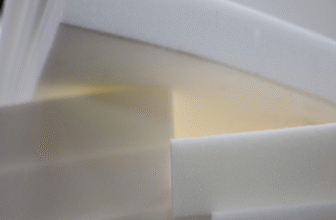
Can You Use Memory Foam for Sofa Cushions?
Key Aspects of Memory Foam for Sofa Seating
Memory foam is frequently chosen for sofa cushions due to its ability to mould to the shape of the body, offering tailored support and comfort. Its adaptability reduces pressure points, which can enhance comfort during brief periods of sitting. This contouring effect sets memory foam apart from traditional cushioning materials.
Some notable qualities that memory foam provides for sofa cushions include:
- Durability: Memory foam retains its form better than many soft foams, although it may not match the longevity of high resilience foams designed specifically for daily heavy use.
- Hypoallergenic properties: Its material composition resists allergens, making it suitable for users sensitive to dust or other common irritants.
- Custom comfort: Memory foam reacts to body heat and pressure, creating a cushioning effect that adjusts to the sitter.
When selecting memory foam for sofa cushions, attention to density and firmness is critical. Foams with higher densities generally provide firmer support and maintain shape longer, which can make them more suitable for regular use. For instance, a foam with a density rating around 40 offers robust structure and durability, balancing comfort with extended wear.
Alongside memory foam, high resilience (HR) foam is frequently recommended for seating in the UK market. HR foam is prized for its ability to withstand frequent usage without sagging or losing support. It typically delivers a more traditional cushioning feel but is preferred for its superior resilience and longevity, especially in homes where sofas are used often.
A comparison of key foam types for sofa cushions:
Foam Type
Comfort Level
Durability
Ideal Use
| Memory Foam |
| Conforms closely to body |
| Moderate durability |
| Best for contouring support and occasional sitting |
| High Resilience Foam |
| Balanced firmness and softness |
| High durability |
| Suited for daily, heavy use in living rooms |
| Lower Density Foam |
| Softer, less supportive |
| Less durable |
| Occasional use, decorative cushions |
Care and maintenance also influence the suitability of memory foam for sofas. While memory foam cushions provide outstanding initial comfort, they require proper upkeep to avoid premature deterioration. Adequate ventilation and cleaning routines help maintain their shape and performance.
Understanding individual needs, such as the frequency of use and desired sitting experience, helps determine whether memory foam is the most appropriate choice. Mixing different types of foam or layering memory foam over HR foam is sometimes adopted to balance support, comfort, and durability.
In summary, memory foam offers a personalised seating feel that many find appealing due to its pressure relief and body-conforming properties. However, for long-term durability, alternatives like high resilience foam might offer better resistance to daily wear, making them more suitable for frequently used sofas.
Frequently Asked Questions
What benefits does memory foam offer for sofa seat cushions?
Memory foam provides excellent pressure relief by moulding to the body’s shape, enhancing comfort during prolonged sitting. It offers good support by distributing weight evenly and can reduce discomfort caused by firmer materials. Additionally, memory foam cushions tend to retain their shape longer, resisting sagging better than some traditional foams.
How does memory foam compare to high resilience foam in sofa cushioning?
High resilience (HR) foam is more responsive and bouncy, providing firm support suitable for frequent use. Memory foam contours slowly and offers a softer, more moulded feel but may retain heat and feel less springy. HR foam generally recovers shape faster, while memory foam prioritises pressure relief and comfort over immediate bounce-back.
What factors are important when selecting memory foam for sofa cushions?
Key considerations include foam density and firmness, as these affect durability and comfort. Higher density memory foam offers longer-lasting support but can feel firmer initially. It is important to balance softness for comfort with sufficient support for posture. Breathability should also be evaluated to avoid heat build-up.
Can a foam density of 40 provide enough support and comfort for sofa cushions?
A foam with a density of 40 kg/m³ is considered medium to high density, which typically delivers good support and durability in cushions. It can suit both seat and back cushions depending on the foam’s firmness level. However, users should consider the specific foam type and intended use to ensure it meets comfort needs.
Which types of foam are best suited for upgrading sofa cushions?
Common options include:
- High resilience foam: Durable and supportive, ideal for frequent seating.
- Memory foam: Offers contouring comfort and pressure relief.
- Reticulated foam: Good for outdoor use due to breathability.
- Layered foam combinations: Combining memory foam with high resilience foam balances comfort and support.
Choosing depends on personal comfort preference, usage, and cushion location.
How well do memory foam toppers improve the comfort of current sofa cushions?
Memory foam toppers can enhance softness and contouring when placed over existing cushions, making sofas feel more comfortable without full replacement. They provide additional pressure relief and can refresh firm or worn cushions. Effectiveness depends on the topper’s thickness, density, and the condition of the original cushion beneath.