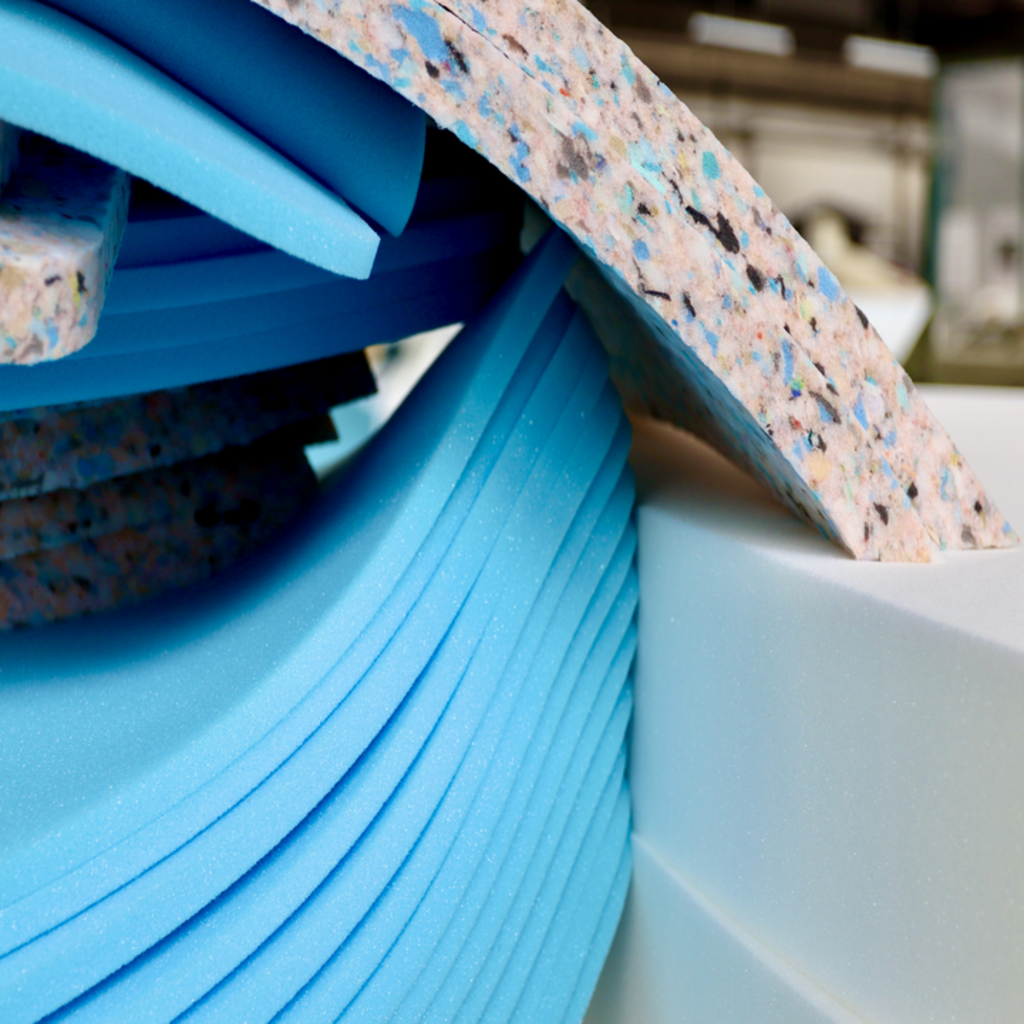
How to Buy Foam and Understand Quality Differences
Product Quality and Characteristics
Foam quality depends on several core factors that influence its comfort, durability, and suitability. These include density, which affects support and lifespan, and firmness, determining how the foam responds under pressure. Different applications demand variations in these properties.
Types of foam offer unique benefits:
- Memory foam moulds to body shape for tailored support.
- Polyurethane foam often balances cost and functionality.
- Latex foam provides resilience and breathability.
Understanding these distinctions helps users make informed choices when selecting foam for mattresses, cushions, or upholstery.
Key considerations when assessing foam quality:
Factor
Importance
Density
| Higher density usually means greater durability |
| Firmness |
| Depends on user preference and application |
| Longevity |
| How well the foam maintains shape and support |
| Quality Standards |
| Ensures the foam meets industry benchmarks |
Being aware of these variables assists in avoiding low-quality foam that may lead to premature wear or discomfort. Selecting the appropriate foam enhances overall satisfaction and product performance over time.
Frequently Asked Questions
What are the main criteria for evaluating foam quality?
Foam quality is assessed by examining factors such as density, firmness, resilience, and the presence of any defects like air bubbles. It is important to consider how the foam will be used, as different applications require specific qualities. Material composition and manufacturing consistency also play significant roles in determining overall quality.
How do density values relate to foam durability and comfort?
Density measures the amount of material per cubic foot in foam. Higher density generally means the foam is more durable and able to retain its shape longer. However, density alone does not dictate comfort, as firmness and foam type also influence the cushioning experience.
How does foam firmness impact its support and lifespan?
Firmness affects how much weight the foam can support and its ability to retain shape under pressure. Firmer foams usually provide stronger support and resist sagging, extending the product’s life. Softer foams favour comfort but may wear out faster under constant use.
What importance do foam safety and environmental certifications hold?
Certifications ensure foam meets regulated standards for chemical safety, emissions, and environmental impact. Recognised labels indicate that the foam is tested for harmful substances and complies with industry requirements, offering peace of mind regarding health and sustainability.
In what ways do production techniques influence foam performance?
Manufacturing methods impact the uniformity, density distribution, and cell structure of foam. Advanced processes reduce imperfections and increase durability. Proper curing and temperature control during production also contribute to the foam’s resilience and comfort.
Does the foam material choice affect product longevity and comfort?
Different foam materials, such as memory foam, polyurethane, and latex, each have unique properties. Memory foam excels in pressure relief, while latex offers breathability and resilience. The material selected determines how the foam responds to weight, heat retention, and wear over time.