How to Choose the Right Foam Sheet for Your Project: A Practical Guide to Materials and Applications
General Information on Foam Sheet Selection
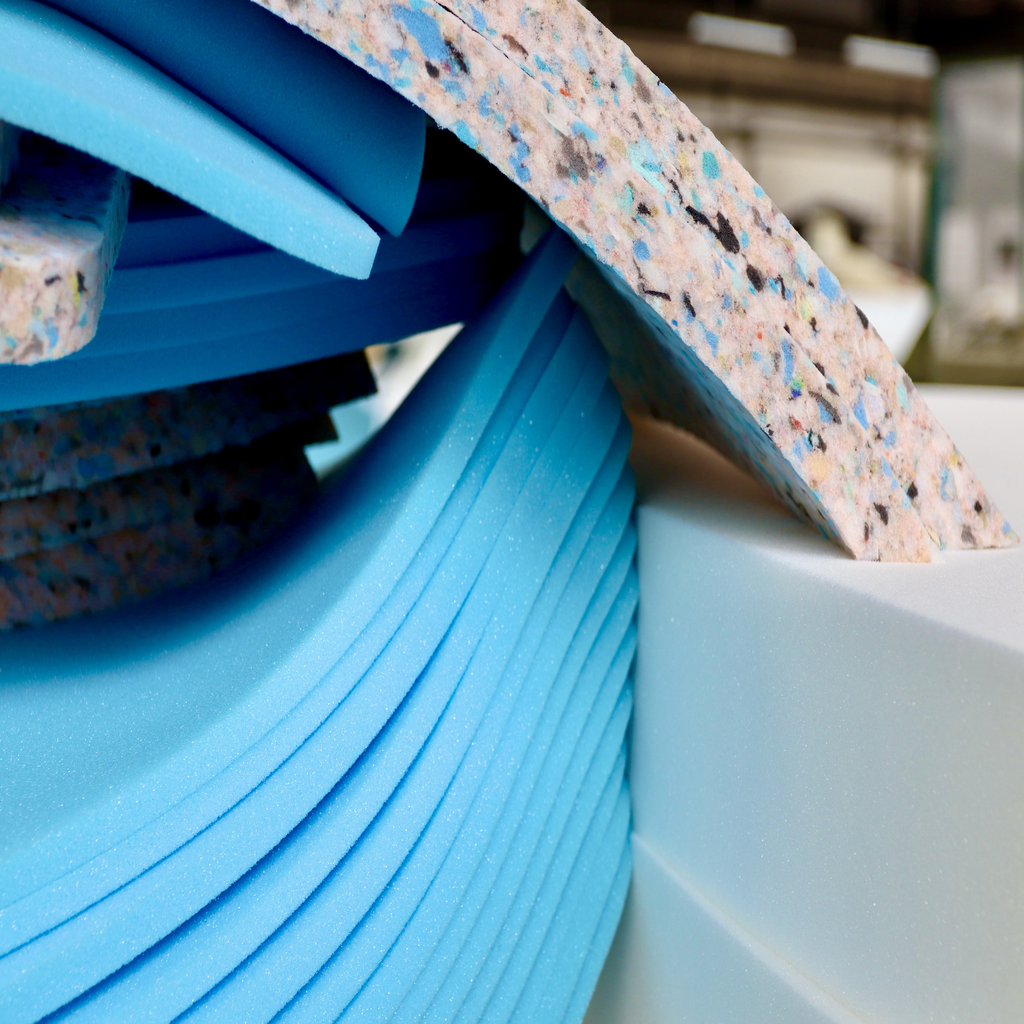
When selecting foam sheets, multiple elements should be carefully considered to match the specific requirements of a project. The material type, foam density, and firmness are key characteristics that influence how well the foam will perform in terms of durability, comfort, and insulation.
Thermal efficiency and energy-saving properties are important for building applications, where foam can contribute to better insulation and reduced energy consumption. It is essential to identify the expected load and environmental conditions, such as moisture exposure or temperature variations, to choose a foam type that maintains integrity under those factors.
Foam sheets come in a variety of materials including PVC, polyurethane, and expanded polystyrene, each offering different properties. For example, some foams provide flexibility and cushioning, while others are rigid and lightweight. Matching the foam’s properties to the project’s needs helps optimise both function and cost-effectiveness.
Key considerations when choosing foam sheets:
- Material type: Determines flexibility, rigidity, and durability
- Density and firmness: Affect comfort, support, and load-bearing capacity
- Dimensions: Thickness and size should correspond to application requirements
- Environmental factors: Moisture resistance, temperature tolerance, and fire retardance
Customisation options from suppliers can be beneficial when standard sizes or densities do not meet project specifications. Transparency about production methods and materials is a useful indicator of foam quality and reliability.
Selecting a foam sheet with careful consideration of these aspects ensures a better match for project demands and long-term performance.
Frequently Asked Questions
What key considerations should guide the choice of foam sheets for thermal insulation?
When selecting foam for insulation, factors such as thermal conductivity, moisture resistance, thickness, and density must be evaluated. The material’s ability to reduce heat transfer and its compatibility with the installation environment are crucial. Fire resistance and durability under specific temperature conditions also influence the choice.
How do open-cell and closed-cell foams differ in meeting various project needs?
Open-cell foam is softer, more flexible, and better for sound absorption but absorbs moisture more readily. Closed-cell foam is denser, more rigid, and offers superior insulation and water resistance. The project’s requirements for strength, moisture control, and flexibility determine the preferred type.
What distinguishes polyethylene foam as a preferred option for crafting?
Polyethylene foam is lightweight, resilient, and easy to cut or shape, making it ideal for detailed craftwork. It provides good cushioning and is water-resistant, which adds durability to finished projects. Its closed-cell structure aids in maintaining form while offering moderate flexibility.
Which important attributes should be sought in polyurethane foam intended for upholstery?
Polyurethane foam for upholstery should exhibit a balance of firmness and comfort, with resilience to retain shape over time. Density directly affects support and durability, while thickness impacts cushioning. Breathability and resistance to wear are also vital for prolonged use.
How is cost-effectiveness of insulation foam sheets evaluated for a particular task?
Cost-effectiveness is judged by comparing the price with the foam’s lifespan, performance in thermal retention, and installation needs. A foam offering higher efficiency may reduce long-term energy costs. Other factors include maintenance, replacement frequency, and suitability for the application.
What properties identify a foam sheet as suitable for use in high-temperature environments?
Foam for high-heat applications must have thermal stability, fire resistance, and low thermal conductivity. It should withstand temperature fluctuations without degrading or releasing harmful substances. Materials designed for industrial or specialised uses usually include additives to enhance these qualities.