How Memory Foam Is Made

Material Composition and Production Process

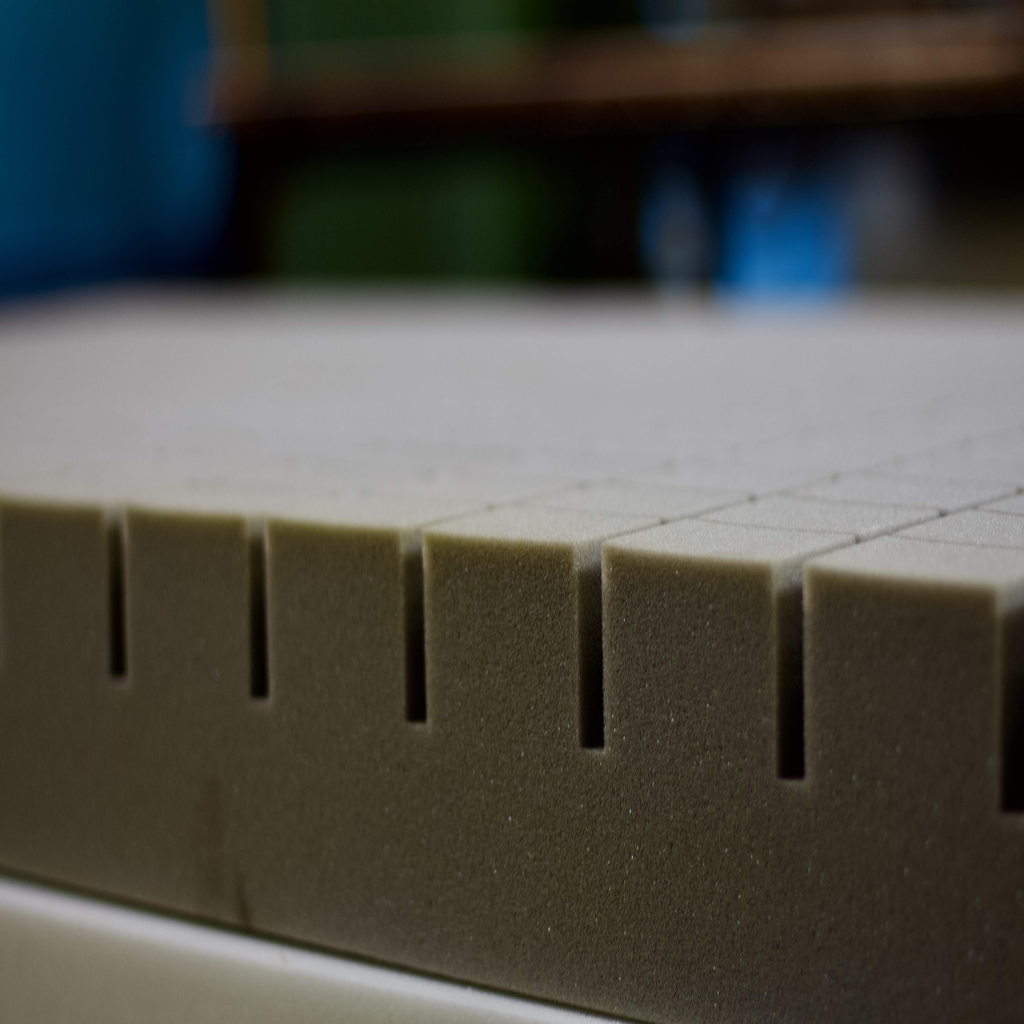
Memory foam is a specialised form of polyurethane foam known for its ability to respond to body heat and pressure. Its manufacturing begins by blending multiple chemical components, which are then aerated and treated through a series of carefully controlled stages. This includes whipping the mixture to achieve the desired texture, infusing additives for enhanced properties, cooling to stabilise the material, and curing to solidify its shape and resilience.

Key qualities such as viscosity and density develop throughout these stages, influencing the foam’s ability to contour closely around the body while offering support. The transformation from liquid ingredients to finished foam requires precise handling to balance comfort and durability.

Production stages at a glance:

Stage
Purpose
Mixing 
Combining raw materials
 
Whipping 
Introducing air for softness and loft
 
Infusing 
Adding gels or chemicals to modify traits
 
Cooling 
Stabilising structure and temperature
 
Curing 
Finalising foam shape and strength

These stages collectively ensure the foam maintains its unique slow-recovery characteristic and comfort level suitable for mattresses and cushioning products.

Frequently Asked Questions

Memory_Foam_Made

What are the key substances used to create memory foam mattresses?

Memory foam mattresses are primarily made from polyurethane combined with additional chemicals such as polyols and isocyanates. These ingredients form a viscoelastic foam, which reacts to heat and pressure by moulding to the body’s shape. Other additives like catalysts, surfactants, and silicone oils enhance its properties, improving comfort and durability.

Are harmful chemicals involved in the manufacture of memory foam?

The production of memory foam involves various chemical agents that require careful handling due to their reactive nature. Some components may release volatile organic compounds (VOCs) initially, but reputable manufacturers follow strict safety and environmental regulations to minimise any toxic effects during production and use.

Could memory foam trigger allergies linked to substances like latex?

Memory foam itself is generally latex-free, which reduces the risk of latex-related allergic reactions. However, in some cases, memory foam products might contain trace amounts of other allergens or chemicals that can irritate sensitive individuals. It is advisable to review product materials carefully to avoid specific allergens.

Are there any known health concerns from using memory foam sleep products?

Most users experience no health issues when using memory foam items. Some may notice an odour or minor irritation at first, likely from off-gassing. Ensuring the product is certified for low VOC emissions and using proper ventilation can further reduce any potential discomfort or risk.

What are the main consumer uses for memory foam material?

Memory foam is widely used in mattresses, pillows, toppers, and cushions due to its pressure-relieving and contouring qualities. Beyond bedding, it also appears in footwear, wheelchair pads, and specialised seating that benefits from its comfort and support features.

How is memory foam formed into mattresses and pillows?

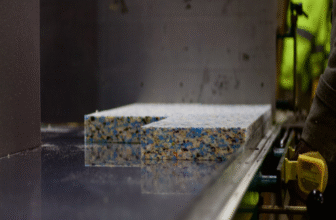
The manufacturing process starts with mixing the liquid components to create foam. This mixture is poured into moulds or onto conveyor belts to expand and cure. Additional processes like cutting, layering, and adding covers follow to produce the final mattress or pillow ready for consumer use.


Memory_Foam_Manufacturing

We will be happy to hear your thoughts

Leave a reply

rpll.co.uk
Logo