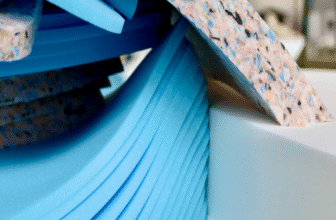
Benefits of High Density Upholstery Foam
General Information on High-Density Upholstery Foam
High-density upholstery foam is widely recognised for its ability to offer strong, long-lasting support in furniture applications. It is particularly suited to items that undergo frequent use, such as sofas, armchairs, and cushions, where maintaining shape and firmness is essential over time.
This type of foam has a higher mass per cubic foot compared to lower density options, generally ranging from around 1.5 to 2.5 pounds per cubic foot. This increased density contributes to improved durability and resistance to sagging, ensuring furniture holds its form for extended periods.
Key characteristics include:
- Enhanced durability: High-density foam withstands regular use without significant breakdown.
- Consistent support: Provides reliable comfort through even distribution of weight.
- Shape retention: Minimises deformation, keeping cushions and seats firm.
These properties make it the preferred choice for both domestic and commercial furniture where longevity and comfort are priorities. Additionally, its firmness can vary depending on the specific density, allowing for customised comfort levels.
Using high-density foam can also reduce the need for frequent repairs or replacements, ultimately proving a cost-effective solution for maintaining furniture quality. It is often cut to exact sizes for upholstery projects, ensuring a precise fit and optimal comfort.
Property
Benefit
| High mass per cubic foot |
| Greater longevity |
| Resistance to sagging |
| Maintains shape and appearance |
| Firm support |
| Comfortable seating |
This combination of attributes makes high-density upholstery foam a dependable component in well-crafted furniture designs.
Frequently Asked Questions
What benefits does high-density upholstery foam provide for furniture durability?
High-density upholstery foam is known for its ability to maintain shape and firmness over time. This type of foam offers increased resistance to sagging and wear, which helps furniture withstand regular use for longer periods. Its compact structure supports heavy loads without breaking down quickly, making it suitable for frequently used sofas and chairs.
How does high-density foam differ from memory foam regarding sofa comfort and support?
High-density foam provides consistent, firm support and retains its shape, whereas memory foam conforms closely to the body but can be slower to regain its original form. Memory foam offers a softer feel and pressure relief, while high-density foam is more resilient and often preferred for long-term support in upholstery applications.
Can high-density foam contribute to better overall quality in home furniture?
Yes, furniture incorporating high-density foam tends to be of higher quality due to its durability and support. It enhances comfort stability and reduces the frequency of repairs or replacements. This type of foam also supports a refined aesthetic by preserving the upholstery’s shape over time.
What are the cost considerations when selecting high-density foam compared to lower density options?
High-density foam generally comes at a higher upfront cost than lower density foams. However, its increased lifespan and reduced need for replacement can make it more cost-effective over time. Lower density foam may save money initially but often requires sooner refurbishment or replacement.
How do varying foam densities affect the comfort and longevity of mattresses?
Foam density influences both support and durability in mattresses. Higher density foams offer firmer support and typically last longer, resisting compression and sagging. Lower density foams provide a softer feel but may degrade faster, impacting overall mattress lifespan and comfort consistency.
What differences exist between high resilience foam and latex foam for home furnishings?
High resilience foam is known for its strong, quick recovery and supportive qualities, commonly used in upholstery. Latex foam, derived from natural or synthetic rubber, offers elasticity and breathability, often providing a more cushioning and cooler sleeping surface. Both have different price points and durability features suited to specific furniture needs.