High Density Contract Foam Benefits and Applications

Material Characteristics and Performance

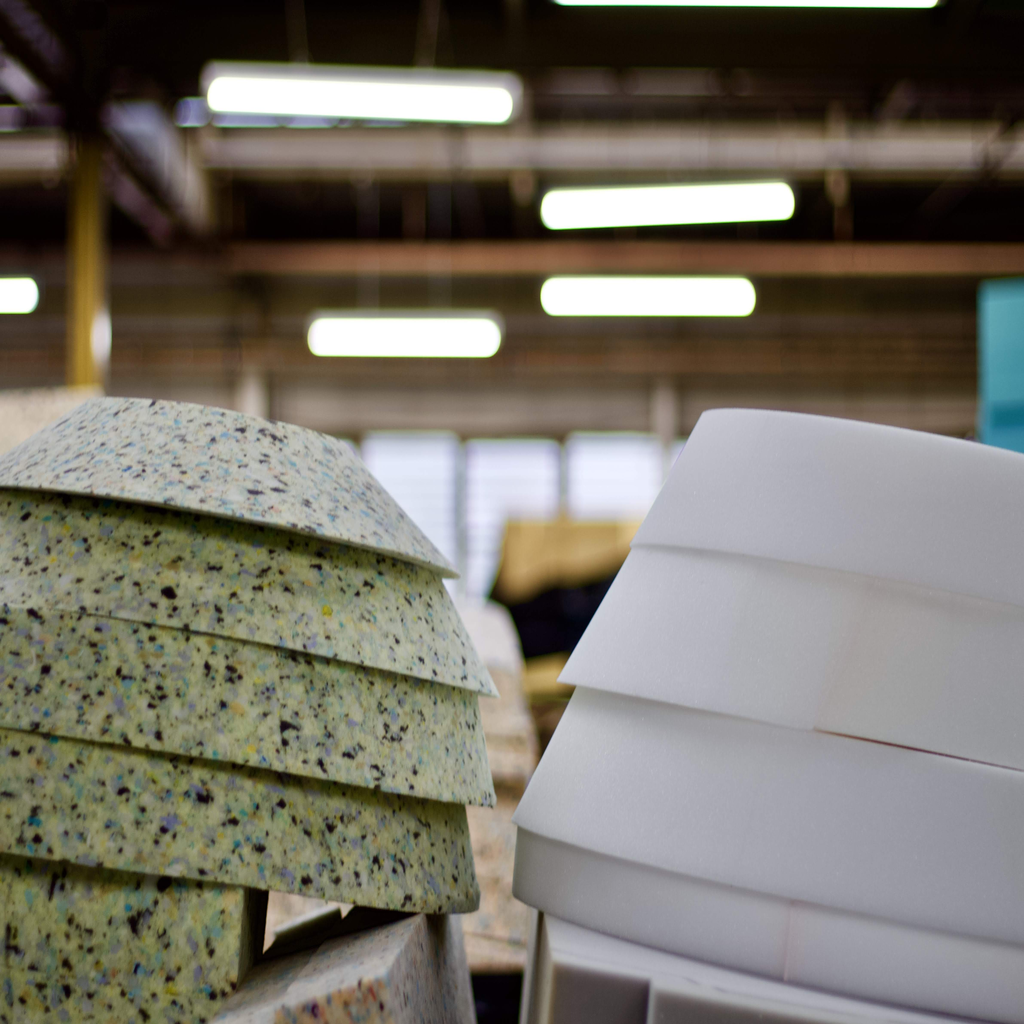
High-density contract foam is valued for its combination of firmness and resilience, making it suitable for seating in environments where frequent use occurs. It retains its shape well and provides consistent support, which helps minimise wear and sagging over time.

Key features include:

  • Compression resistance: Maintains structural integrity even under heavy or repeated loads
  • Durability: Designed to withstand long-term use without significant breakdown
  • Support: Provides a firm base that distributes weight evenly to enhance comfort

These qualities make it a preferred option for office chairs, sofas, cushions, and mattresses, where both comfort and durability are essential. The foam’s compact structure and density contribute to its strength, helping it bear greater weight compared to standard foams.

To maximise its effectiveness, attention to design and material selection is important alongside routine care. This ensures the foam performs well across different applications, extending its functional life and maintaining user comfort.

Application
Why High Density Foam Works

Office seating

Maintains support under daily use

Hotel furniture

Durable and long-lasting

Restaurant seating

Handles high traffic

Automotive seats

Provides structure and comfort


Frequently Asked Questions

High_Density_Foam_For_Stadium_Seating

Which uses suit high density foam best in home furniture?

High density foam is ideal for seating that requires long-lasting support, such as sofas, armchairs, and dining seats. Its durability prevents sagging and maintains comfort over time. It is often chosen where firm cushioning is preferred without compromising softness.

How does automotive seat foam quality influence comfort and lifespan?

Foam in car seats must balance shock absorption and support. Higher quality foam maintains its shape and comfort through frequent use and temperature changes. Poor quality foam tends to degrade quickly, affecting ride comfort and safety.

What should be considered when choosing foam for heavy-duty upholstery?

Key factors include the foam’s density, resilience, and resistance to wear. High density foams with medium to high firmness offer better durability for heavy-use environments. Fire retardancy and moisture resistance may also be essential depending on the application.

Where are dependable sources for automotive upholstery foam located?

Reliable suppliers specialise in foam tailored for vehicle interiors, offering materials that meet safety standards. Many provide custom foam cutting and density options to match specific vehicle models or restoration projects.

How do open cell and high density foams differ in breathability and support?

Open cell foam is more breathable but generally offers less structural support and durability. High density foam has a tighter cell structure, providing firmer support and longer lifespan but less airflow. The choice depends on whether ventilation or firmness is prioritised.

What is the recommended method to measure and cut high density foam for custom seating?

Measure the required dimensions precisely using a tape measure and mark cutting lines with a non-permanent marker. Use a sharp serrated knife or specialised foam cutter to achieve clean, straight cuts. Cutting on a flat surface ensures uniform thickness.


High_Density_Foam_Chair_Seats

We will be happy to hear your thoughts

Leave a reply

rpll.co.uk
Logo