Foam vs Other Materials: A Clear Comparison of Performance and Uses
Material Characteristics and Applications
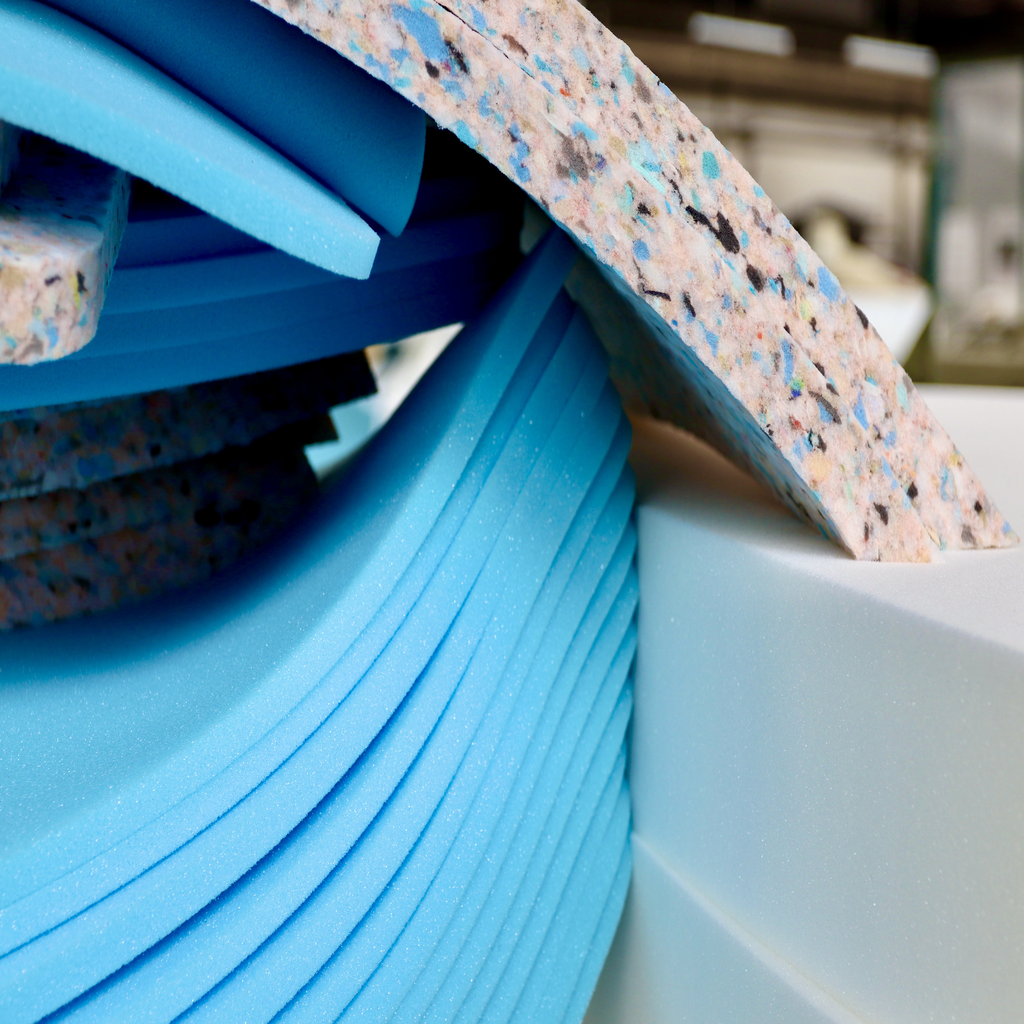
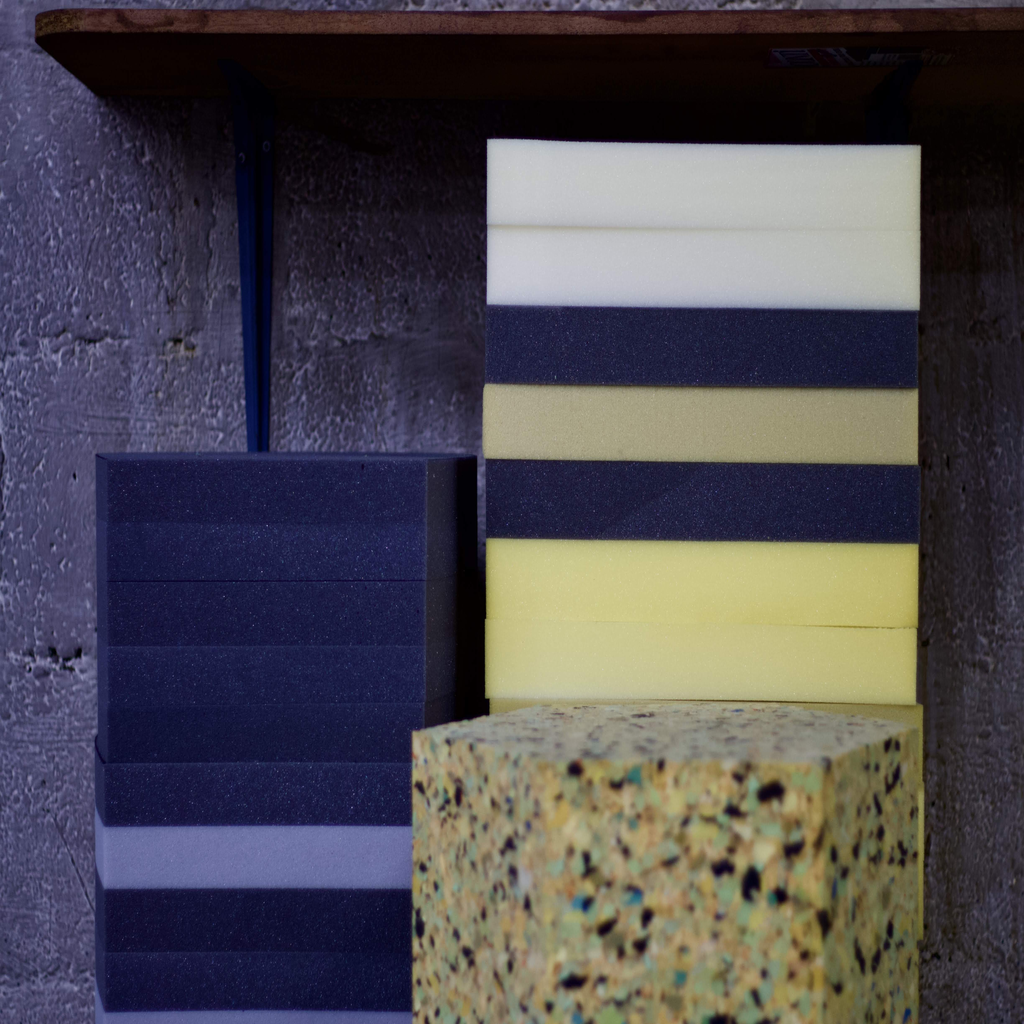
Foam materials are valued for their combination of lightness, durability, and versatility across many sectors. Their ability to deliver effective thermal insulation and sound absorption makes them practical for uses in construction, packaging, and consumer goods.
Key properties include:
- Lightweight nature, reducing transport and handling costs
- Thermal insulation, helping regulate temperature and improve energy efficiency
- Acoustic damping, minimising unwanted noise in environments
- Flexibility and cushioning, providing comfort and protection in packaging and seating
These attributes enable foam to serve multiple roles, such as structural support or protective padding, without adding excessive weight. Its cost-effectiveness also supports wide adoption across industries requiring tailored material solutions.
By balancing strength with low density, foam materials contribute to efficient design and enhanced performance in transport, building, and everyday products. This versatility ensures foam remains a preferred material where functionality and economy are priorities.
Frequently Asked Questions
What advantages does high density foam offer in mattresses compared to other materials?
High density foam provides increased support and durability in mattresses. It maintains shape longer under pressure, reducing sagging over time. Additionally, it offers improved motion isolation, which benefits shared sleeping surfaces. Compared to lower density foams or traditional spring systems, it often results in better long-term comfort and resilience.
How do polyurethane and polyethylene foams compare in thermal insulation performance?
Polyurethane foam generally has superior thermal insulation due to its closed-cell structure, which traps heat more effectively. Polyethylene foam, while also insulating, tends to have a more open-cell composition, making it less efficient at reducing heat transfer. This makes polyurethane the preferred choice in applications requiring better temperature regulation.
What benefits do particular foam types provide in fire safety relative to other fire retardants?
Certain foams, such as those formulated with fire-resistant additives, can self-extinguish or slow the spread of flames. These foams offer the advantage of lightweight and flexible application compared to traditional fire retardants like chemical sprays or coatings. Their ability to act as both insulators and flame barriers makes them valuable in construction and furniture industries.
Which factors are important when choosing foam for packaging uses?
Key considerations include the level of protection needed, weight of the item, and environmental conditions during transport. Foams with higher density and resilience are selected for fragile or heavy products. Anti-static and moisture-resistant properties may be necessary depending on the contents. Cost and environmental impact of the foam material also influence the choice.
What distinguishes polyurethane foam from other common foams in furniture upholstery?
Polyurethane foam is valued for its balance of softness and firmness, adaptability to various cushioning needs, and durability under repeated use. Compared to polyethylene or memory foam, it offers greater versatility in firmness grades and better resistance to compression over time. Its ability to be produced in flexible and rigid forms expands its utility in upholstery.
Which foam types are known for exceptional durability suited to long-term applications?
High density polyurethane foam and certain closed-cell foams like polyethylene stand out for lasting performance. These materials resist deformation, moisture absorption, and wear better than lower density or open-cell foams. Their robustness makes them suitable for heavy-use furniture, protective packaging, and industrial insulation.