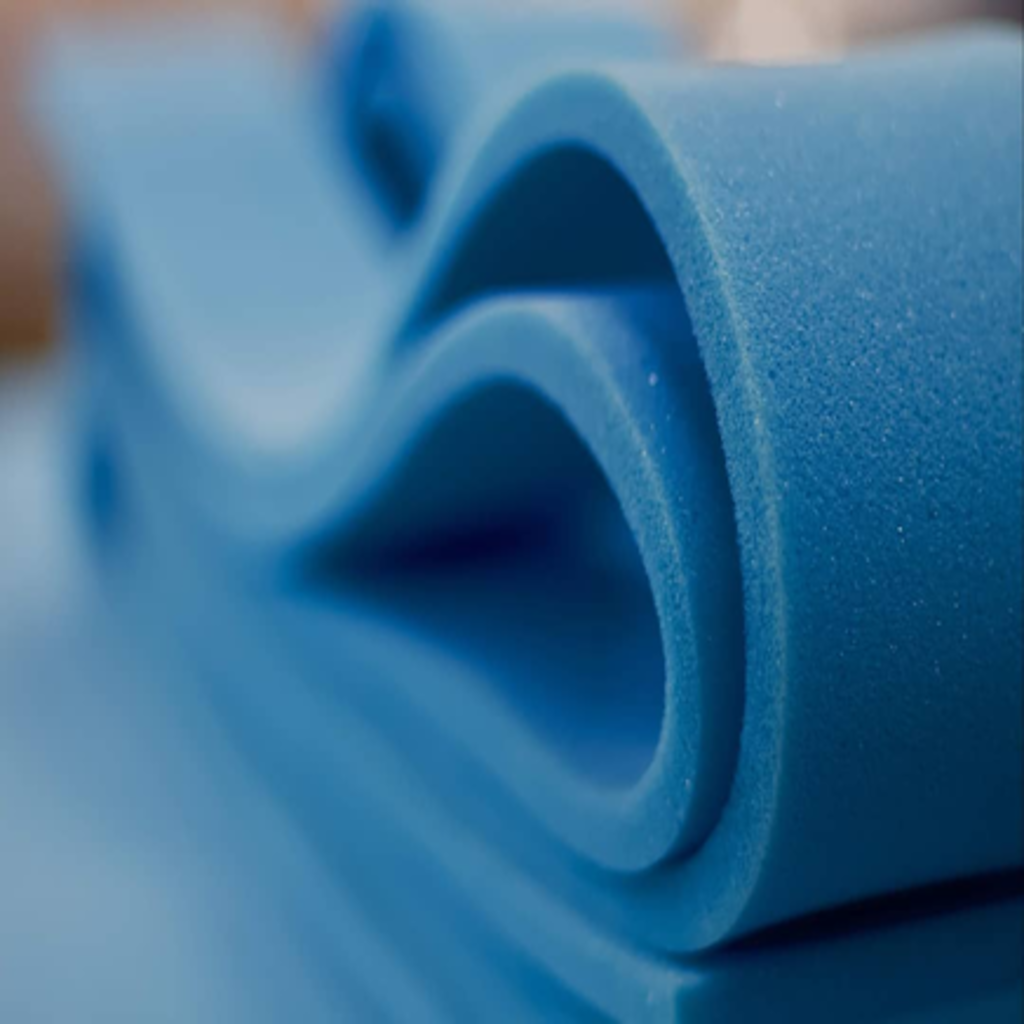
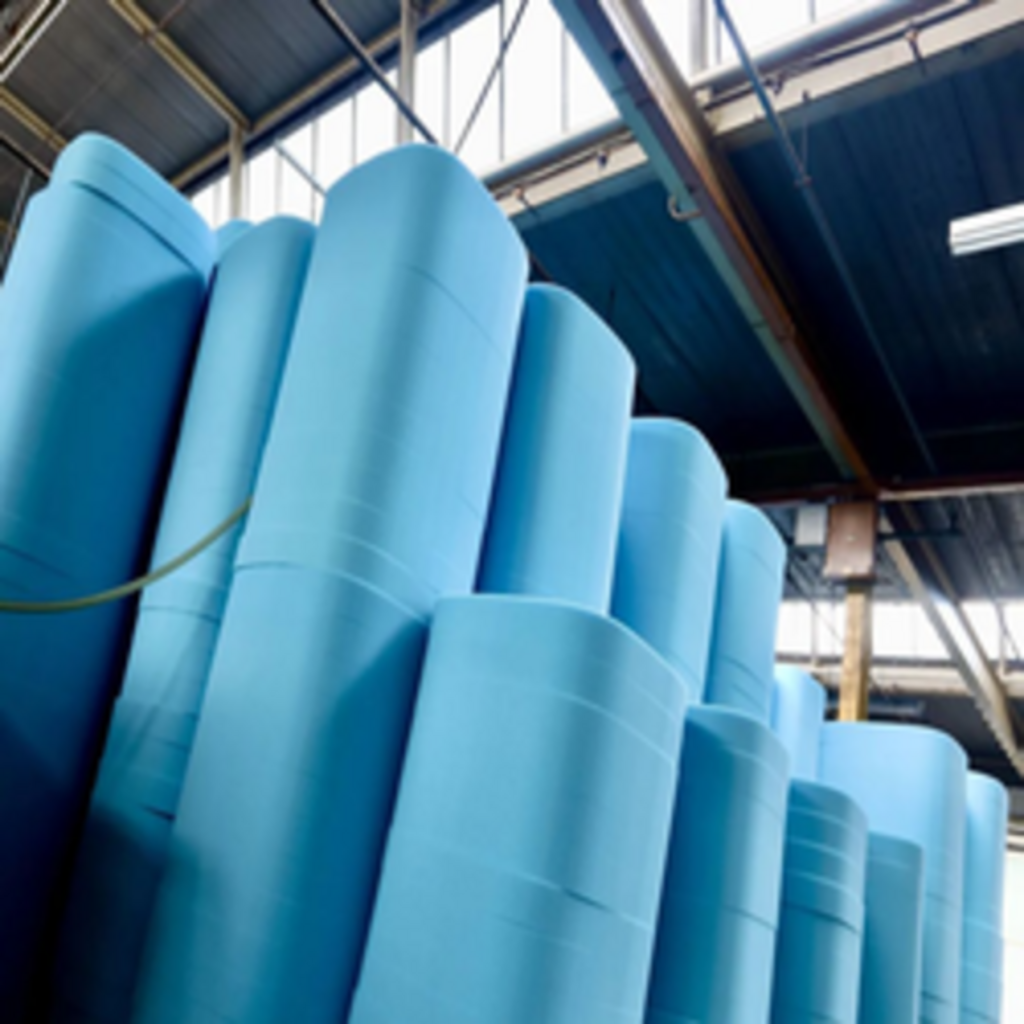
Foam plays a crucial role in gym and fitness equipment by providing essential cushioning and support that improves comfort and safety during workouts. It absorbs shock, reduces impact on joints, and enhances the durability of gear like mats, benches, and protective pads. This makes foam an indispensable material for creating equipment that allows users to exercise effectively while minimising the risk of injury.
Different types of foam, such as polyurethane, polyethylene, and expanded polypropylene (EPP), are chosen based on their specific properties like density, resilience, and water resistance. High-density foam is often used where durability and long-term support are needed, while softer foams enhance comfort. This careful selection helps gyms maintain quality equipment that meets the varied needs of fitness enthusiasts.
Beyond comfort and protection, foam contributes to the overall performance of gym equipment by combining lightweight construction with structural support. This balance allows athletes to focus on their training without distraction, making foam materials integral to both recreational and professional fitness environments.
Fundamental Properties of Foam in Gym and Fitness Equipment
Foam used in gym and fitness equipment varies by type and performance traits, directly impacting durability, comfort, and safety. Its key benefits include shock absorption, resilience, and adaptability, which are essential for different workout environments and user needs.
Types of Foam Used in Fitness Products
Common foam types in fitness products include polyurethane, polyethylene, and expanded polypropylene (EPP). Polyurethane foam is lightweight and flexible, ideal for cushioning in mats and padding. Polyethylene foam offers greater density and resistance, suitable for equipment requiring durability and impact absorption.
EPP foam is notable for its combination of lightness and shock absorption, making it popular in protective gear like helmets and pads. Each foam type serves distinct purposes, chosen based on factors like firmness, resilience, and the equipment’s intended use.
Key Performance Characteristics of Foam
Foam in fitness equipment excels due to:
Shock absorption: Reduces impact forces during exercises or falls.
Durability: Resists wear and maintains shape after repeated use.
Flexibility: Allows comfort and adaptability to body movement.
Resilience: Returns to original form quickly after compression.
High-density polyurethane foam often balances cushioning and support, while closed-cell foams resist moisture and bacteria, maintaining hygiene and longevity.
Safety Benefits of Foam in Exercise Environments
Foam padding in gyms protects users by reducing risk of injury from impacts. It cushions falls and absorbs shocks in equipment like mats, weights, and machines. This reduces joint strain and minimises bruising or fractures.
Foam also provides non-slip surfaces when used in flooring, contributing to overall stability. Its energy absorption capacity enables athletes to focus on performance, confident in the equipment’s protective properties.
Foam Type
Best Use
Key Benefit
EVA Foam
Mats & flooring
Shock absorption
Polyurethane
Bench padding
Comfort & durability
Polyethylene
Gym flooring
Tough & moisture resistant
EPP Foam
Protective gear
High impact resistance
Foam Applications Across Fitness Equipment
Foam materials serve multiple functions in fitness equipment, addressing comfort, safety, and durability. Their use spans from cushioning floors to padding machinery and protective gear, each application tailored to meet specific performance requirements.
Role of Foam in Flooring and Mats
Foam provides essential impact absorption and cushioning in gym floors and mats. Materials such as polyethylene (PE) and polyurethane foam are common due to their lightweight and shock-absorbing properties.
These mats reduce stress on joints during exercises and protect users from injuries caused by falls or sudden movements. Foam gym mats often feature a resilient surface that supports dynamic activity while remaining durable enough for frequent use.
In gymnastics and yoga, foam mats deliver consistent softness and stability. Their water resistance and easy maintenance make them practical in both indoor and outdoor settings.
Usage in Padding for Machines and Benches
Fitness machines and benches incorporate foam padding to enhance user comfort and support. Polyurethane foam is frequently used for its durability and ability to maintain shape under pressure.
Effective padding minimises discomfort during prolonged workouts and reduces the risk of pressure sores or bruising. It also contributes to better posture by providing firm yet cushioned surfaces where the body contacts the equipment.
Machine padding often integrates a vinyl or synthetic cover for hygiene and easy cleaning. High-density foam options are preferred in areas requiring extra durability without sacrificing comfort.
Importance of Foam in Protective Gear
Foam plays a critical role in protective fitness gear by absorbing impact and reducing injury risk. Ethylene-vinyl acetate (EVA) and expanded polypropylene (EPP) foams are popular for their shock-absorbing and lightweight characteristics.
In helmets, pads, and guards, foam cushions strikes and disperses energy away from the body. This protection is essential in contact sports and high-intensity training where accidental collisions or falls are more likely.
The adaptability of foam materials allows precise shaping and layering to optimise both comfort and security. Foam-lined gear ensures athletes can train safely without hindrance to movement or performance.
Frequently Asked Questions
Foam in gym and fitness equipment plays a critical role in comfort, shock absorption, safety, and durability. Different foam types and densities affect performance, while proper maintenance ensures longevity. Understanding these aspects helps users optimise their exercise experience and equipment lifespan.
What are the benefits of using foam padding in exercise equipment?
Foam padding provides cushioning that reduces joint stress and impact during workouts. It enhances comfort, allowing longer exercise sessions without discomfort. Foam also improves grip and stability on various surfaces.
How does foam contribute to safety in gym environments?
Foam absorbs shocks from falls and impacts, lowering the risk of injuries. It offers slip resistance and prevents equipment from damaging flooring. This protective quality is essential in high-impact activities and contact sports.
What types of foam materials are commonly used in fitness gear?
Common foams include EVA, polyurethane, polyethylene, and EPP. EVA is lightweight and shock-absorbing, ideal for mats and padding. Polyurethane offers durability and firmness, while EPP is valued for resilience and impact resistance.
How does foam density affect the performance of gym mats and equipment?
Higher-density foam provides greater durability and support but may be firmer. Lower-density foam is softer but can compress faster. Choosing the right density depends on the intended use, balancing comfort and longevity.
What maintenance is required for foam-based gym apparatus?
Regular cleaning with mild soap and water prevents dirt buildup and odours. Avoid exposure to direct sunlight and harsh chemicals to limit foam degradation. Inspect equipment periodically for tears or compression.
How can I ensure the longevity of foam components in my fitness equipment?
Store foam products in cool, dry places away from sunlight and moisture. Rotate mats and pads during use to reduce uneven wear. Follow manufacturer guidelines for cleaning and usage to maintain foam integrity.