How to Choose Foam Density for Comfort and Durability

Key Information on Foam Density

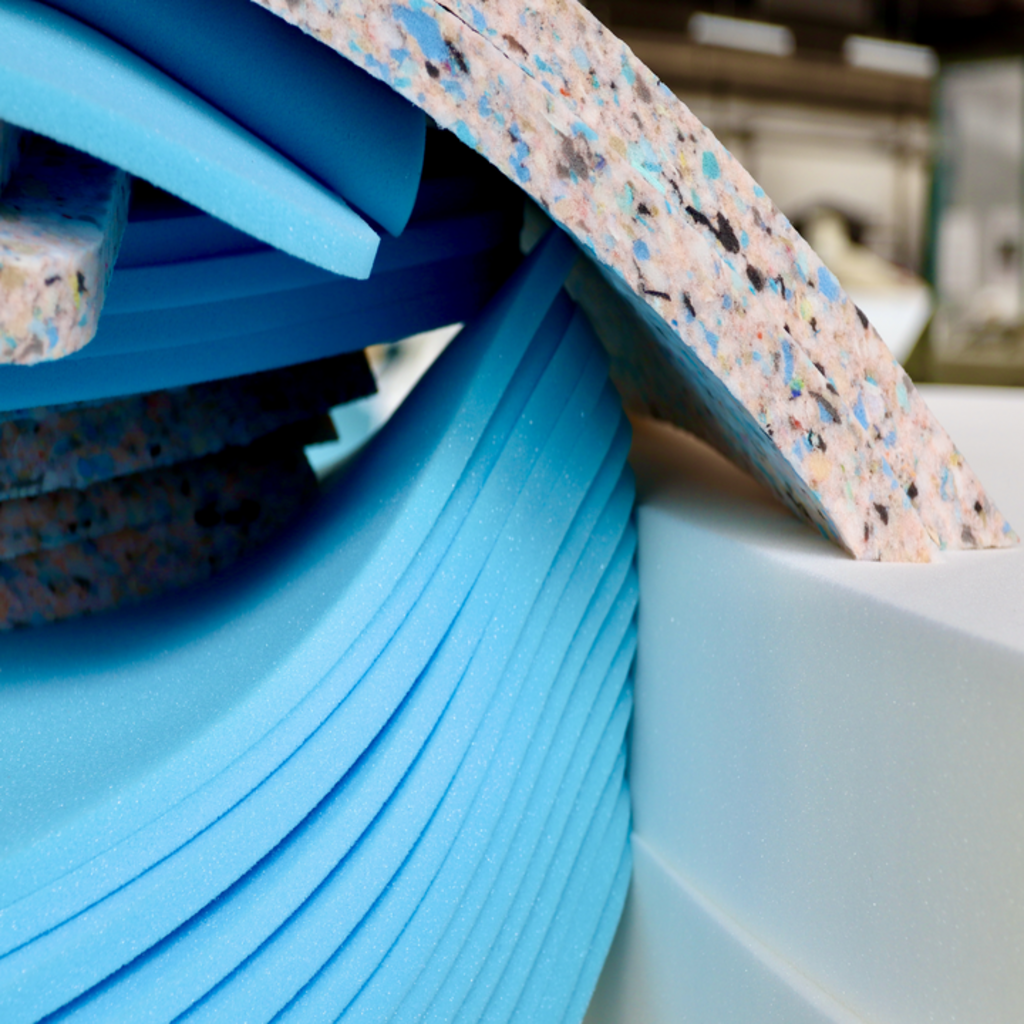
Foam density refers to the amount of material contained within a specific volume, typically measured per cubic foot or cubic metre. This value influences several important qualities of foam, including its durability, support level, and overall feel. However, density is not the same as firmness; a foam can have high density but still be soft or medium in firmness depending on its construction.

Choosing the correct foam density depends largely on the intended use of the foam. For example:

  • Furniture cushions and sofas benefit from medium to high-density foam to provide lasting comfort and shape retention.
  • Mattresses often require a balance of density to offer adequate support without sacrificing comfort.
  • Packaging and insulation may utilise lower density foams to reduce weight and increase flexibility.

The density is calculated by weighing a foam sample of a known size and dividing the weight by the volume. Higher density foams generally last longer and provide better support due to their structural makeup. Conversely, lower density foams tend to be less supportive but more economical and lighter.

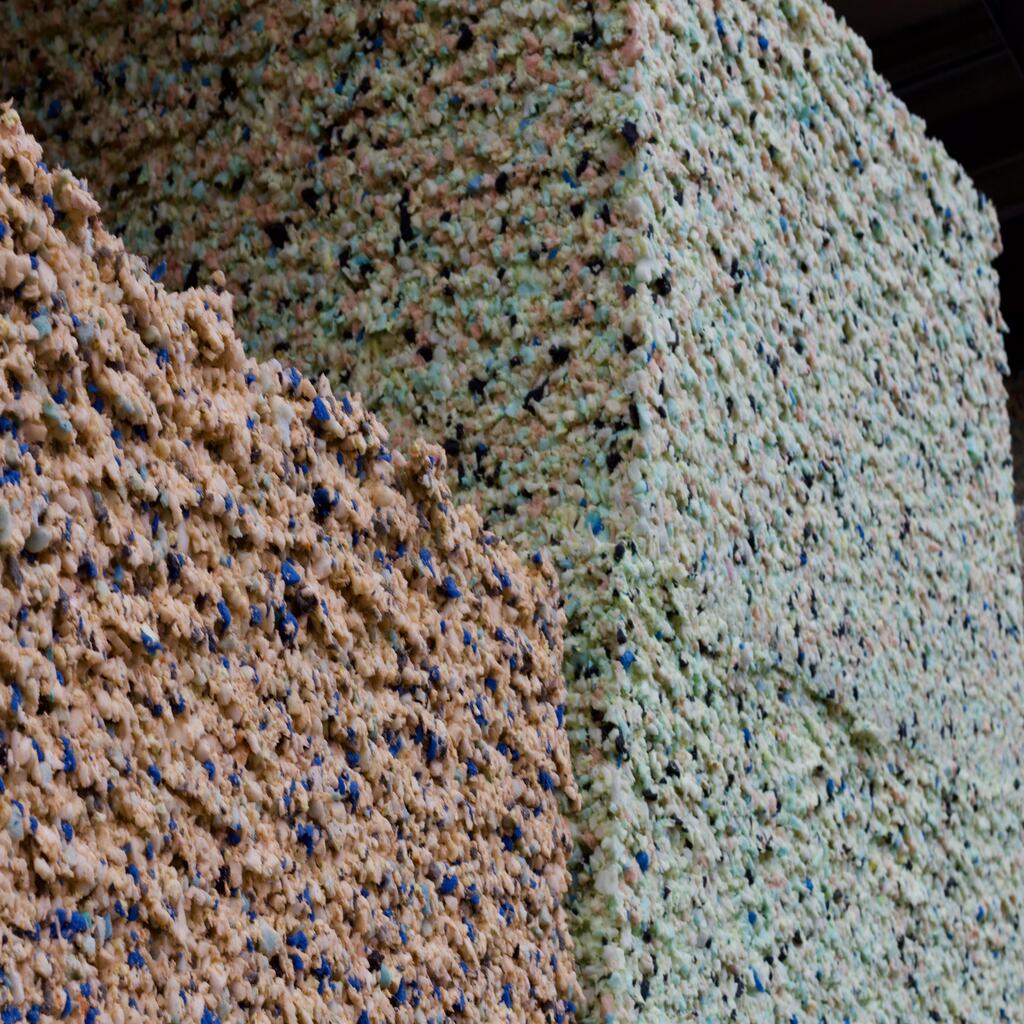
Density Range
Typical Use
Characteristics
Low Density (<1.5 lb/ft³) 
Lightweight cushions, packing 
Softer, more flexible, less durable
 
Medium Density (1.5-2.5 lb/ft³) 
General furniture, mattresses 
Balanced support and comfort
 
High Density (>2.5 lb/ft³) 
Heavy-duty furniture, premium mattresses 
Durable, supportive, longer-lasting

Selecting foam requires careful consideration of comfort, support, and durability based on its application, ensuring the end product meets performance expectations without unnecessary cost or compromise.

Frequently Asked Questions

High-Density-Foam

What key elements influence the choice of foam density for furniture?

When selecting foam density, considerations include the desired level of support, how frequently the furniture will be used, and budget constraints. Higher density generally offers better durability but may cost more. The intended use, such as seating or bedding, also guides the choice.

In what ways does foam density affect a sofa’s durability and comfort?

Foam density impacts how well a sofa maintains its shape and provides support over time. Higher density foams usually resist sagging and last longer, while lower density foams may feel softer initially but deteriorate faster, affecting comfort and stability.

How can one understand the significance of numbers on a foam density chart?

A foam density chart shows the weight of foam per cubic foot, often in pounds or kilograms. Higher numbers indicate more material packed in the foam, which correlates with firmness and lifespan but not necessarily softness. Interpreting the chart helps match foam to specific needs.

What distinguishes high-density foam from foams with lower density?

High-density foam contains more material per unit volume, giving it greater support and durability. Lower-density foam tends to be lighter and less resilient, offering less support and typically a shorter lifespan. Each has situational advantages depending on application.

How should a foam grade chart be used to select fitting materials for beds or upholstery?

A foam grade chart categorises foams based on density and firmness ratings. Using this chart, one can identify foam grades suitable for different types of use, balancing comfort with structural support. It assists in making choices that are both practical and cost-effective.

What foam density levels are advised for different uses in furniture and bedding?

  • Seating cushions: 1.8 to 2.8 pounds per cubic foot (lb/ft³) for balanced comfort and longevity.
  • High-traffic upholstery: Above 2.8 lb/ft³ to ensure durability.
  • Bedding foams: Typically between 3 to 5 lb/ft³ to provide adequate support and comfort.
  • Decorative cushions: May use 1 to 1.5 lb/ft³ for softness but not heavy use.

These guidelines vary with specific design goals and user preferences.

Choose-Foam-Density

We will be happy to hear your thoughts

Leave a reply

rpll.co.uk
Logo