Foam plays a crucial role in both mental and physical health by providing essential support and comfort. Its unique cellular structure and viscoelastic properties help relieve pressure, reduce stress, and promote relaxation, which benefits overall well-being. Understanding how foam works explains why it’s more than just a soft material—it actively contributes to better health.
The quality of foam used in everyday items like mattresses, cushions, and furniture directly impacts durability and comfort levels. Poor-quality foam can lead to discomfort and physical strain, while high-grade foam offers sustained support and helps maintain posture. These factors together influence sleep quality, mood, and even cognitive function.
Comfort is not just about feeling good; it is a critical component of healing and mental ease. By focusing on foam’s science-backed benefits, people can make informed choices that improve their physical rest and psychological comfort—two elements essential for long-term health.
Understanding Foam and Its Role in Comfort
Foam’s comfort results from its material composition, the way it supports the body, and how it manages heat and moisture. These factors influence both physical ease and mental relaxation by affecting sleep quality and posture.
Types of Foam Materials and Their Properties
Foam types commonly used include polyurethane (PU) foam, memory foam, and latex foam. PU foam is versatile, often found in furniture, but varies in density and durability. High-density PU foam offers better longevity and support.
Memory foam reacts to body heat, softening to contour the shape of the user, providing pressure relief and reducing pain points. Latex foam is naturally resilient and bouncy, offering durability plus resistance to dust mites and mould.
Each type differs in firmness, lifespan, and responsiveness, so selecting foam depends on intended use and personal comfort or health needs.
Mechanisms of Support and Pressure Relief
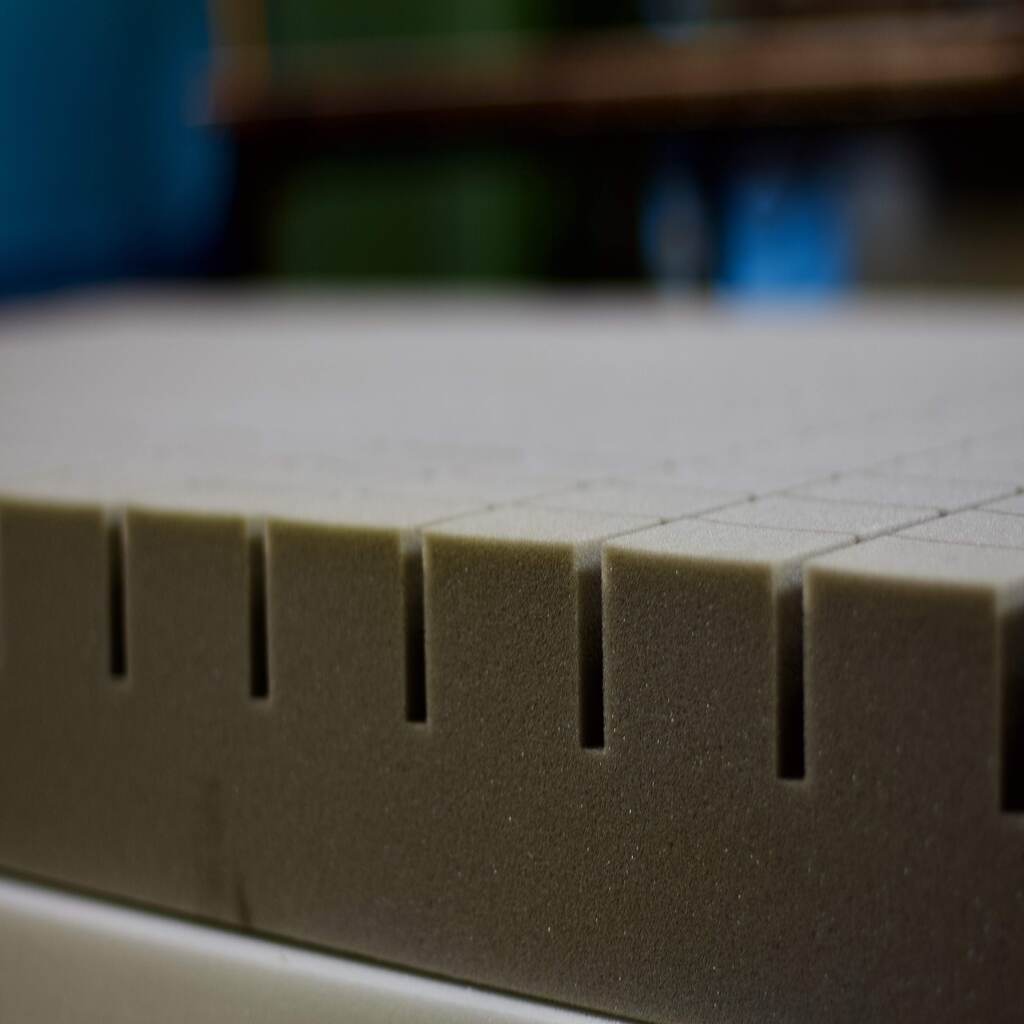
Foam supports by distributing body weight evenly. Its network of tiny air cells compresses under pressure and rebounds when weight shifts. This helps reduce stress on joints and muscles.
High-density foams provide firmer support, beneficial for spinal alignment and preventing sagging. Memory foam’s slow response improves pressure relief by cushioning sensitive areas.
Proper support from foam can reduce physical discomfort, which contributes to improved sleep and lower risks of developing pressure sores.
Thermal Regulation and Breathability
Foam’s breathability depends largely on its cell structure. Open-cell foams allow air to circulate, helping to dissipate heat and moisture. This reduces overheating and promotes a more comfortable sleep environment.
Memory foam tends to retain heat due to its dense structure but modern variations include cooling gels or additives to enhance airflow.
Selecting foam with good thermal properties supports temperature balance, preventing night sweats and aiding uninterrupted rest.
Impact of Foam on Mental and Physical Health
Foam technology directly influences both mental well-being and physical condition by affecting sleep quality, stress levels, and musculoskeletal support. Its properties can enhance restfulness and comfort while addressing posture and alignment.
Enhancing Sleep Quality and Restfulness
Foam materials like memory foam mould to the sleeper’s body, distributing weight evenly and reducing pressure points. This leads to fewer awakenings and deeper sleep cycles.
The contouring effect helps maintain spinal alignment during sleep, preventing stiffness and discomfort. Additionally, some foams come in hypoallergenic and nontoxic forms, reducing irritants that can disrupt rest.
By improving comfort and support, foam mattresses and pillows enable longer, more restorative sleep, crucial for mental clarity and physical recovery.
Foam Type
Best For
Key Benefit
Memory foam
Sleep & pressure relief
Contours to body
High-density foam
Seating & durability
Long-lasting support
Latex foam
Breathability
Cooler & resilient
Reducing Stress and Promoting Relaxation
Foam cushions and padding provide evenly distributed support, which lessens muscle tension. This reduction in physical stress can promote a calming effect on the nervous system.
Comfortable seating surfaces made from foam help users remain relaxed during prolonged sitting, decreasing discomfort-related irritability. The cushioning effect can reduce stimulation of pressure points that might otherwise cause stress responses.
By creating a supportive environment, foam products contribute to relaxation, positively impacting mood and mental well-being.
Supporting Musculoskeletal Health
Foam’s ability to conform and support correct posture plays a critical role in spinal health. It helps align the vertebrae and reduces strain on muscles and joints.
Proper foam density and resilience prevent sinking too deeply or remaining too firm, which can cause pain. Ergonomically designed foam furniture improves posture during both sleeping and sitting activities.
Foam’s properties like firmness, density, and composition directly affect its role in comfort, health support, and durability. Its influence extends from improving sleep and orthopaedic health to enhancing posture and reducing stress through environmental control.
How does the firmness of foam impact sleep quality?
Foam firmness affects spinal alignment during sleep. Firmer foam provides support, preventing the body from sinking too deeply, which reduces pressure points. Softer foam offers cushioning, improving comfort but may compromise support if too soft.
What are the benefits of memory foam for orthopaedic health?
Memory foam evenly distributes body weight, reducing pressure on joints and sensitive areas. This pressure relief helps alleviate pain linked to arthritis and other orthopaedic conditions. Its ability to contour to the body supports proper posture during rest.
Can foam padding in shoes improve comfort and prevent injury?
Foam padding absorbs shock from walking or running, reducing stress on joints and soft tissues. Enhanced cushioning decreases the risk of impact injuries and supports foot structure, contributing to overall comfort during prolonged activities.
In what ways does cushioning in furniture contribute to posture support?
Appropriate foam cushioning maintains the shape and provides targeted support, helping to keep the spine aligned. It prevents sagging and fatigue, encouraging a healthy seated posture over extended periods.
What role does foam play in soundproofing and how does this affect stress levels?
Foam materials absorb and dampen sound waves, reducing noise pollution. Quieter environments help lower stress and promote mental wellbeing by minimising disruptions and creating a calmer atmosphere.
How do differing foam densities affect the longevity of products and overall comfort?
Higher-density foam generally lasts longer and retains its support better over time. Lower-density foam may feel softer initially but can compress and lose shape faster, impacting long-term comfort and support.