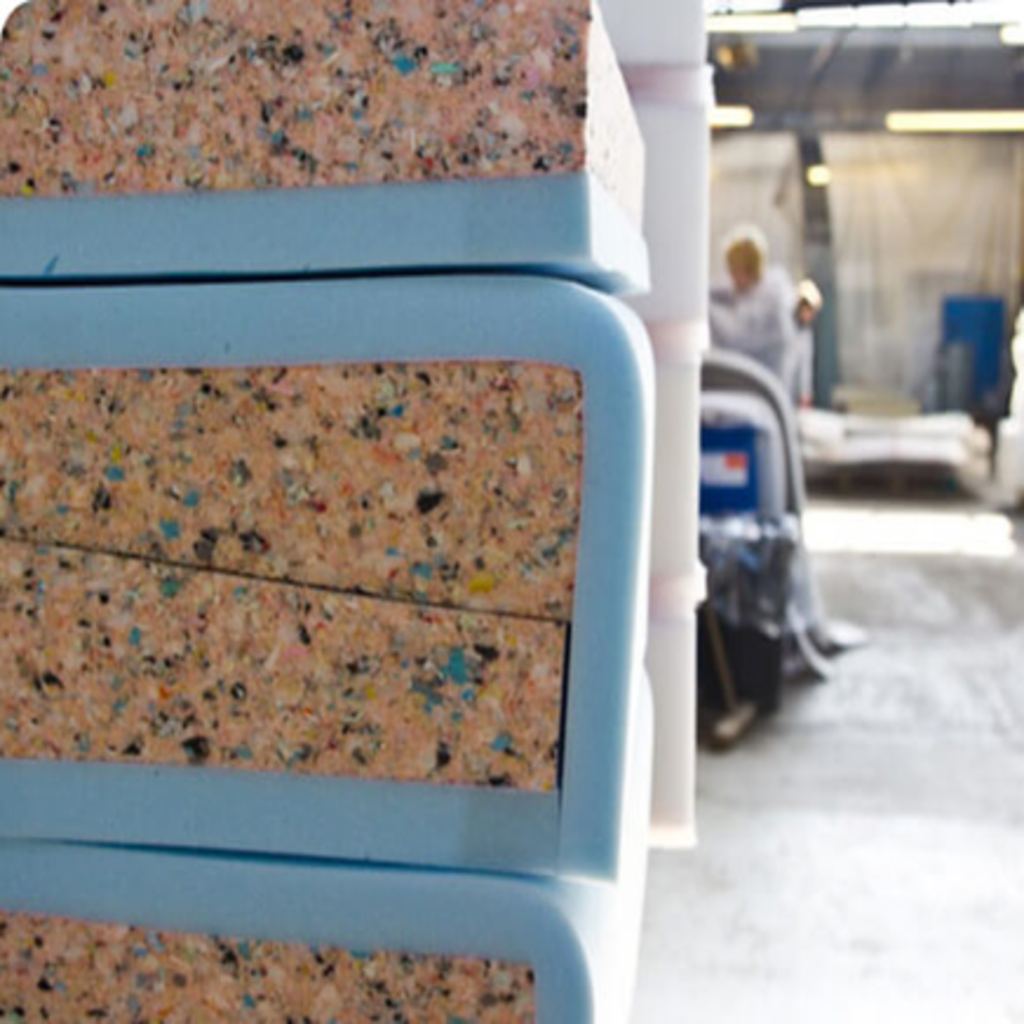
Foam products are widely used in furniture, mattresses, cushions, and packaging, making it essential to clean and maintain them properly. Different types of foam, such as memory foam, polyurethane, and polyethylene, each require specific care to avoid damage and prolong their lifespan.
The best way to clean and maintain foam products without causing damage is to use gentle, spot-cleaning methods with mild cleaning solutions and avoid excessive moisture or harsh scrubbing. Regular cleaning and disinfecting help prevent dirt, stains, and bacteria buildup, keeping foam fresh and comfortable over time. Understanding the material and using appropriate techniques can protect foam’s structure and appearance effectively.
Essential Steps for Cleaning Foam Products
Cleaning foam requires careful selection of products and techniques to avoid damage. It is important to use gentle cleaning agents, apply proper washing methods, and ensure thorough drying to maintain the foam’s integrity and longevity.
Choosing the Right Cleaning Agents
Selecting appropriate cleaning agents is crucial because harsh chemicals or excessive detergents can break down foam materials. Mild detergents, such as upholstery or gentle dish soap, work best. Avoid bleach, strong solvents, or abrasive cleaners.
For specific foam types, such as closed-cell foam, which resists fluids, non-toxic antibacterial sprays can be used after cleaning to reduce germs without harming the foam. Always test any cleaning product on a small, hidden area first to check for adverse reactions.
Natural options like diluted vinegar or baking soda solutions can also be effective for stain removal without risking chemical damage.
Safe Washing and Rinsing Techniques
Before washing, vacuum the foam thoroughly to remove dust and loose debris. Use a soft cloth or sponge soaked in a warm water and mild detergent mixture to spot clean stained or soiled areas. Avoid saturating the foam to prevent waterlogging.
Gently scrub the stains with a circular motion without applying excessive pressure. Rinse by dabbing with a clean, damp cloth to remove detergent residues. Excess water should be avoided because open-cell foams absorb moisture easily, which can lead to mildew or foam breakdown.
Blotting the foam with dry towels helps remove any remaining moisture during this stage.
Foam Type
Cleaning Method
Memory foam
Spot clean with mild detergent
Polyurethane foam
Vacuum and spot clean
Closed-cell foam
Wipe with damp cloth
Drying Foam Without Causing Damage
Proper drying prevents mould growth and maintains foam structure. Air drying is the safest method. Place foam items in a well-ventilated area away from direct sunlight or heat sources, as excessive heat can warp or degrade foam.
Position foam so air can circulate freely around all sides. Using a fan speeds up drying without risking damage. Avoid tumble dryers or heaters.
Drying time varies with foam thickness, but ensuring complete dryness before use or storage is essential to prevent bacteria or mould development.
Effective Maintenance to Prolong Foam Lifespan
Proper care can significantly extend the usability of foam products by preventing common issues like mould, odour, and premature wear. Regular attention to cleaning, inspection, and storage encourages durability and preserves comfort.
Preventing Mould and Odour
Foam is porous and can trap moisture, creating an environment for mould and unpleasant odours. To avoid this, it is essential to keep foam dry and well-ventilated.
Sprinkling baking soda on the foam surface absorbs moisture and neutralises odours naturally. After applying, leave it for several hours before vacuuming thoroughly.
Using a non-toxic antibacterial fabric spray can further reduce bacteria and mildew growth without damaging the foam. Avoid soaking foam during cleaning; instead, use mild detergents on cloths for spot cleaning.
Maintaining cleanliness and dryness prevents fungal growth that can degrade foam and cause health concerns.
Regular Inspection for Wear and Tear
Frequent checks help catch early signs of foam damage like cracks, crumbling, or loss of resilience. Foam cushions should be rotated and flipped weekly to distribute pressure evenly and maintain their shape.
Visual inspections should look for:
Surface cracks or indentations
Areas of thinning or flattened foam
Signs of dirt accumulation or stains
Gently vacuum foam regularly to remove dust and debris that can cause abrasion over time. Addressing small issues promptly avoids costly replacements.
Proper Storage Practices
Storing foam correctly when not in use preserves its structure and cleanliness. Foam should be kept in a cool, dry place away from direct sunlight, which can cause deterioration and colour fading.
Use breathable covers or bags to protect foam from dust and insects. Avoid compressing foam too much as it may lose shape permanently.
Stack foam items loosely if needed, ensuring air circulation around them. Proper storage reduces exposure to damaging environmental factors, extending foam lifespan considerably.
Frequently Asked Questions
Proper cleaning techniques vary depending on the type of foam product and the specific stain or soil. Using gentle cleaners, avoiding excessive moisture, and careful drying are essential to prevent damage and preserve the foam’s integrity.
What is the most effective method for cleaning a memory foam mattress topper?
Spot cleaning with a mild detergent diluted in water is the safest approach. Use a spray bottle to apply the solution lightly, then gently blot the area with a clean cloth. Avoid soaking the foam to prevent mould growth.
Can you explain the process for washing memory foam pillows in a machine?
Memory foam pillows should not be machine washed as this can damage the material. Instead, spot clean with a mild detergent and air dry thoroughly. If a deeper clean is needed, hand washing with gentle scrubbing and careful drying is recommended.
How should one go about cleaning a memory foam mattress that has been soiled by bedwetting?
Blot the affected area immediately to absorb excess liquid. Apply an enzyme cleaner to break down organic matter, then gently blot again. Allow the mattress to air dry completely in a well-ventilated area to prevent odours and mould.
What steps are necessary to clean and maintain foam pads without causing damage?
Regularly spot clean using mild detergents and avoid harsh scrubbing. Always test cleaning products on a small area first. After cleaning, air dry foam pads away from direct heat or sunlight to maintain shape and durability.
Is it possible to remove polyurethane foam from hands, and if so, how?
Yes, it can be removed by gently peeling off any excess hardened foam. Use a safe, non-abrasive cleanser or rinse hands with warm soapy water to remove residues before the foam fully cures.
What are the best practices for cleaning a memory foam dog bed to ensure longevity?
Remove loose debris first by vacuuming. Spot clean stains with gentle detergents and avoid saturating the foam. Air dry the bed in a shaded, ventilated area, avoiding direct heat to maintain foam resilience.