Learn about different foam types, densities, and materials — from polyurethane and memory foam to high-resilience and fire-retardant foams.
Foam Types & Properties
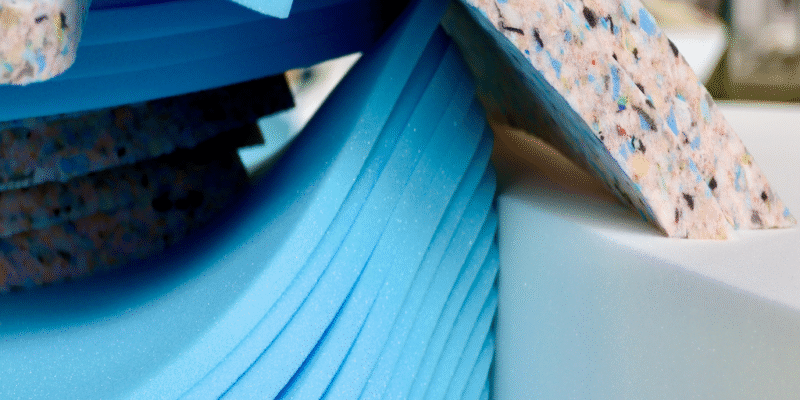

Material Characteristics and Performance Comparison Open-cell and closed-cell foam display distinct structural differences that determine their performance in various applications. Open-cell foam features interconnected air pockets, making it softer, more flexible, and lightweight. This porous ...
READ MORE +
Key Information on Foam Density Foam density refers to the amount of material contained within a specific volume, typically measured per cubic foot or cubic metre. This value influences several important qualities of foam, including its durability, support level, and overall feel. ...
READ MORE +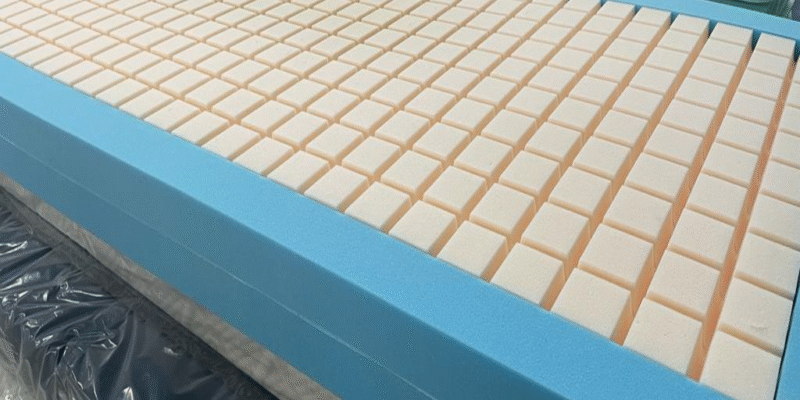
General Insight into Foam Varieties Foam serves multiple functions across many sectors due to its adaptable nature. Its structure consists of gas bubbles trapped within a solid or liquid matrix, which varies depending on the type and intended purpose. This structural diversity produces materials ...
READ MORE +How to Choose the Right Foam Sheet for Your Project: A Practical Guide to Materials and Applications

General Information on Foam Sheet Selection When selecting foam sheets, multiple elements should be carefully considered to match the specific requirements of a project. The material type, foam density, and firmness are key characteristics that influence how well the foam will perform in terms of ...
READ MORE +
Material Characteristics and Applications Foam materials are valued for their combination of lightness, durability, and versatility across many sectors. Their ability to deliver effective thermal insulation and sound absorption makes them practical for uses in construction, packaging, and ...
READ MORE +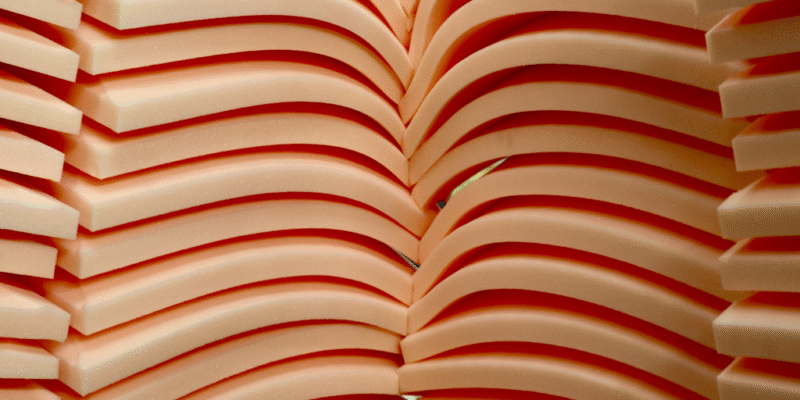
General Information on Foam Thickness Upholstery foam comes in two main types: high-density and low-density. High-density foam is firmer and lasts longer, making it suitable for furniture that requires strong support. Low-density foam feels softer but tends to wear out more quickly. The thickness ...
READ MORE +