Boat Upholstery Replacement Tips
Overview of Boat Seat Renewal
Boat upholstery plays an essential role in both the look and comfort of a vessel. Over time, exposure to sun, saltwater, and regular use can cause seats to deteriorate, leading to fading, cracking, or loss of cushioning. Replacing old or damaged upholstery improves not only the vessel’s appearance but also its durability and user comfort.
When selecting replacement materials, it is important to consider weather resistance, especially protection against UV rays, moisture, and mildew. High-quality marine fabrics and foams designed for outdoor use extend the lifespan of the seating and maintain comfort during use.
The process of renewing boat upholstery involves careful assessment of the existing condition, choosing suitable materials, and either employing professional services or following DIY methods for installation. Regular maintenance after refurbishment helps preserve the material and keeps the interior functional and visually appealing.
Key Factors to Consider
Details
| Material durability |
| Marine-grade vinyl, UV and water resistant |
| Comfort |
| Good cushioning, ergonomic design |
| Protection |
| Resistant to salt, sun, and mildew |
| Maintenance |
| Regular cleaning and conditioning |
Frequently Asked Questions
Which materials are most suitable for marine upholstery to resist extreme weather?
Marine upholstery should use fabrics designed for wet, salty, and sun-exposed environments. Common materials include marine-grade vinyl, Sunbrella fabric, and solution-dyed acrylics. These materials resist UV damage, mould, mildew, and water penetration, ensuring durability in harsh conditions.
Material Type
Key Properties
Suitable For
| Marine-grade vinyl |
| Water-resistant, easy to clean |
| High-use seating |
| Sunbrella fabric |
| UV-resistant, breathable |
| Cushions, covers |
| Solution-dyed acrylic |
| Fades slowly, mould-resistant |
| All-around marine use |
How can the lifespan of boat upholstery be maximised?
Regular maintenance plays a crucial role in extending upholstery life. This includes cleaning promptly, using protective sprays, and storing cushions when not in use. Protecting fabric from prolonged sun exposure and moisture accumulation prevents cracking, fading, and mildew growth.
What should be considered when choosing upholstery for saltwater boats?
Saltwater environments demand materials that resist corrosion and salt build-up. Upholstery must be waterproof or highly water-resistant and paired with rust-proof hardware. Additionally, fabrics that dry quickly and inhibit mould growth are preferable to avoid damage from retained moisture.
When is it advisable to replace boat upholstery to keep it functional and attractive?
Upholstery should be replaced when signs of cracking, fading, tearing, or persistent mould appear, impacting comfort and appearance. Generally, replacement occurs every 5-10 years, but this depends on exposure, maintenance, and usage intensity.
What are the essential tips for DIY upholstery replacement on small vessels?
DIY projects require careful planning. Key steps include:
- Removing old upholstery and inspecting the base
- Creating accurate patterns
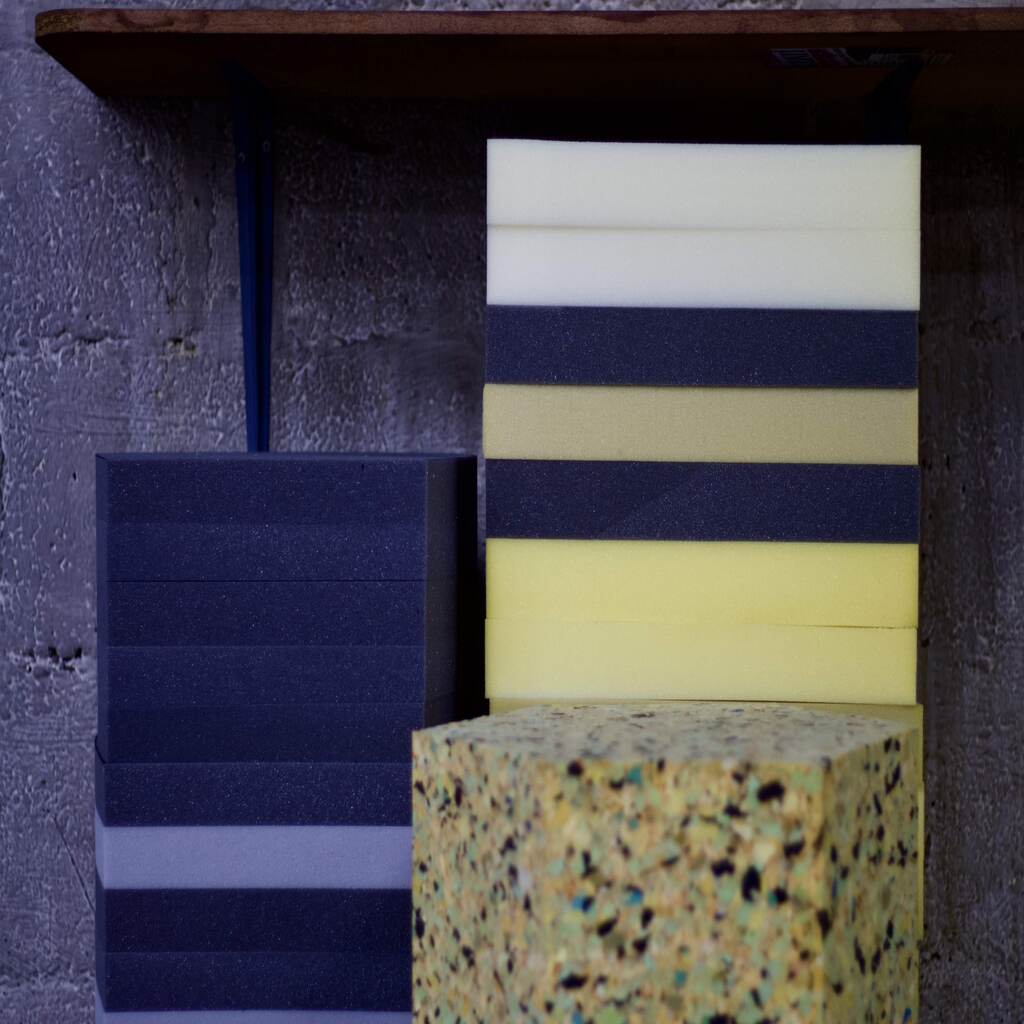
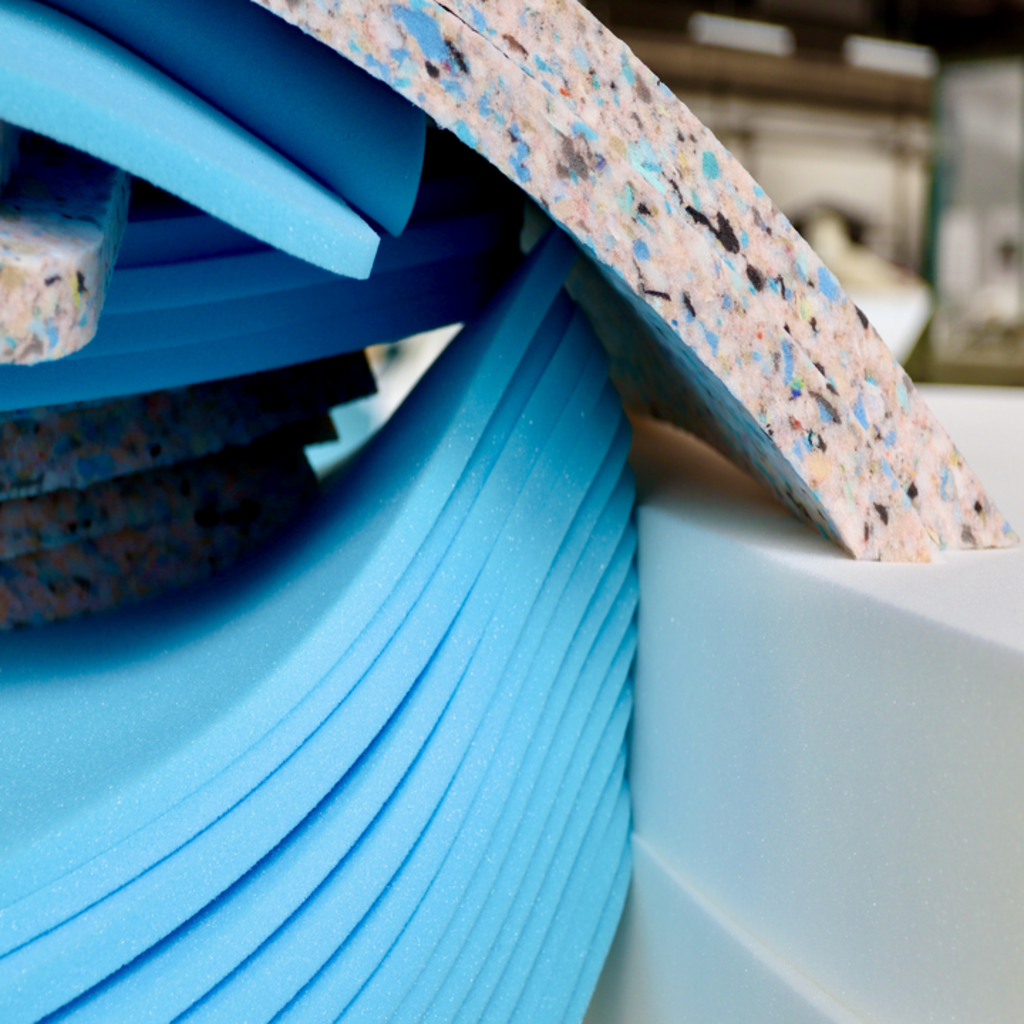
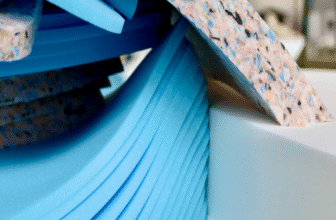
- Choosing marine-grade fabrics and appropriate foam
- Using specialised tools for cutting and sewing
- Applying waterproof adhesives and fasteners
Patience and precise measurement reduce mistakes and improve results.
Which professional care methods help maintain boat upholstery quality over time?
Professionals recommend regular deep cleaning with marine-safe products, reapplying protective coatings, and inspecting for early damage signs. Using coverings when docking and proper ventilation inside the boat minimizes wear. Scheduled professional servicing can catch issues before they worsen.