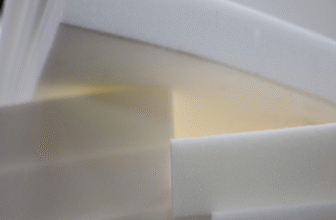
Old foam can indeed be reused, offering practical ways to extend its life and reduce waste. Reusing foam through creative repurposing or proper recycling is a viable option that helps minimise environmental impact and keeps foam out of landfill. While recycling options may be limited depending on local facilities, many types of foam can be transformed into useful items for the home or garden.
Repurposing leftover foam can range from simple DIY projects to more innovative solutions that give the material a second life. Even foam products that are difficult to donate or recycle, such as old mattresses, can often be reused in ways that avoid immediate disposal. Understanding the possibilities and challenges of foam reuse empowers individuals to make better environmental choices.
Can Old Foam Be Reused?
Old foam can often be repurposed or recycled if handled correctly. Knowing which types are suitable, recognising the benefits, and observing health precautions are crucial for effective reuse.
Types of Foam Suitable for Reuse
Not all foam types are equally reusable. Polyurethane foam, commonly found in furniture cushions, mattresses, and pillows, is one of the most reusable foams due to its flexibility and durability. Memory foam, used in mattress toppers, also lends itself well to repurposing for padding or insulation projects.
Polystyrene foam, often used in packaging and disposable cups, can be recycled but is less commonly reused due to its rigid structure and brittleness. Closed-cell foam, used in insulation or flotation devices, can be reused but may require specialised cutting tools.
It is important to identify the foam type before reuse or recycling, as this affects its suitability and the methods needed for cutting, shaping, or cleaning.
Foam Type
Reuse Possibility
Polyurethane foam
Easily repurposed for cushions
Memory foam
Can be reused for padding
Polystyrene foam
Often recycled rather than reused
Benefits of Repurposing Old Foam
Repurposing old foam helps reduce landfill waste and the environmental impact associated with foam disposal. It supports a circular economy by turning discarded foam into useful products such as cushions, pet beds, or soundproofing materials.
Repurposing can also save money by providing cheap or free cushioning and insulation materials. Additionally, it reduces demand for new raw materials, lowering carbon emissions related to foam manufacturing.
Some programmes offer rewards or discounts to customers who recycle or repurpose foam, creating further incentives to avoid waste.
Health and Safety Considerations
When reusing old foam, it is vital to ensure it is clean and free from mould, dust mites, or chemical contamination. Foam that has absorbed moisture or allergens may pose health risks, especially for individuals with respiratory issues.
If cutting or shaping foam, use well-ventilated spaces and protective gear such as masks and gloves to avoid inhaling dust or particles.
Avoid reusing foam from sources with unknown chemicals or fire retardants, as these can release harmful fumes if heated or disturbed. Proper handling protects both users and the environment.
Practical Tips for Recycling and Repurposing Foam
Old foam can be cleaned and prepared for reuse or recycling by following specific steps. Repurposing ideas range from simple household fixes to creative craft projects. Locating local recycling options requires knowing which facilities accept foam and understanding their requirements.
How to Clean and Prepare Old Foam
Before reusing or recycling, foam should be thoroughly cleaned to remove dirt, oils, and any residues. Lightly vacuuming foam removes dust and small debris. If the foam is washable, use mild soap and warm water, then air dry completely to avoid mould growth.
Cutting foam into manageable pieces helps when storing or transporting for recycling. Seal foam in clear plastic bags to keep it dry and prevent contamination. Removing non-foam materials like fabric or plastic coverings is crucial to ensure the foam can be properly processed.
Creative Ways to Repurpose Foam at Home
Foam can be repurposed in many practical ways around the home. Small foam pieces work well as plant pot liners to improve drainage. Larger foam blocks can be transformed into cushions or seat pads by covering them with fabric.
Other ideas include using foam scraps for packaging fragile items or as craft material for DIY projects like homemade stamps or coasters. Repurposing foam reduces waste and adds value, especially when combined with sewing, painting, or gluing to enhance durability and appearance.
Finding Local Foam Recycling Facilities
Not all recycling centres accept foam, so it is important to research which ones do. Customers can check local council websites or use online recycling locator tools. Some private companies offer mail-in or drop-off programmes specifically for foam materials.
Facilities often require foam to be clean, dry, and free of contaminants. Commonly accepted types include expanded polystyrene (EPS) and polyethylene foam. Returning foam to specialised centres helps divert it from landfill and supports recycling into new products like insulation or packaging materials.
Frequently Asked Questions
Old foam items like Styrofoam and mattress toppers can be repurposed or recycled in various practical ways. Many options involve turning large foam pieces into useful household or garden materials, while specialised centres handle foam recycling safely.
How can large pieces of Styrofoam be repurposed effectively?
Large Styrofoam pieces can be cut and shaped into lightweight packing materials to protect fragile items during shipping. They also serve as insulation in home projects or as a base for craft activities.
Where can I find facilities that recycle foam mattress toppers?
Recycling facilities vary by location, but many local recycling centres accept foam mattress toppers if they meet specific criteria. Checking with municipal waste services or specialised foam recyclers is essential to confirm acceptance.
What are innovative uses for Styrofoam around the house?
Styrofoam can be repurposed into plant pot fillers to improve drainage or used as a base layer in DIY paintings and craft projects. It also functions well in homemade insulation boards for windows or doors.
Are there any Styrofoam recycling options available locally?
Some areas offer drop-off programmes or collection services for Styrofoam waste, especially if it is clean and free of contaminants. It is advisable to check with local authorities or recycling organisations for current options.
In what ways can an old mattress topper be given a new life?
Old mattress toppers can be transformed into pet beds or cushioning for outdoor seating. Cutting them into smaller pieces allows use as padding for kneeling mats in gardening or workshop tasks.
What role can Styrofoam play in garden projects?
Styrofoam chunks can be mixed into soil for aeration and drainage improvement in potted plants. Larger pieces serve as base filler under garden paths or in raised beds to reduce soil use and maintain structure.