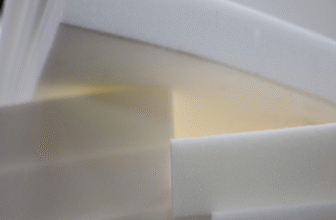
Foam is a critical material in medical mattresses designed to relieve pressure and support healing. It works by evenly distributing a patient’s weight, reducing stress on vulnerable areas of the body and preventing pressure ulcers. Medical-grade foam mattresses provide essential pressure relief by conforming to body contours, improving comfort, and promoting faster recovery.
Various types of foam, including memory foam and high-density foam, are widely used in hospitals and care settings. These materials offer a balance of durability and cushioning, making them suitable for long-term use. Foam’s ability to reduce friction and shear forces helps protect delicate skin, which is vital for patients who spend extended periods in bed.
By integrating foam with other technologies like gel or air pockets, some medical mattresses enhance circulation further, aiding wound healing. Understanding how foam contributes to pressure relief provides insight into why it remains a key component in patient care and comfort solutions.
Role of Foam in Medical Mattresses
Foam significantly contributes to patient comfort and care in medical mattresses. Its design and material composition directly impact pressure relief and support, vital for patients with limited mobility or existing wounds.
Pressure Redistribution Mechanisms
Foam in medical mattresses works by redistributing a patient’s body weight across a larger surface area. This reduces concentrated pressure points, which are common causes of discomfort and tissue damage.
The foam’s ability to conform and envelop the body helps maintain blood flow to skin and underlying tissues. This prevents ischemia, which can lead to pressure ulcers.
Higher specification foams provide varying densities to balance immersion and support. This ensures patients can change position easily, minimising shear forces that worsen skin injuries.
Foam Types Used in Medical Mattresses
Several types of foam are employed in medical mattresses, with each offering unique characteristics.
Polyurethane foam is common for its durability and moderate support.
Memory foam adapts closely to body shape, enhancing comfort and pressure distribution.
Latex foam offers resilience and breathability, which helps reduce moisture build-up.
Medical-grade foams are chosen for biocompatibility, hygiene, and resistance to degradation. Their long-lasting properties ensure consistent performance over extended patient use.
Prevention of Pressure Ulcers
Foam mattresses play a critical role in reducing the risk of pressure ulcers. They work by lowering the peak pressures on bony prominences like heels, sacrum, and elbows.
Effective foams allow optimal patient immersion, meaning the body sinks just enough to evenly distribute force without excessive sinking that impedes mobility.
Some advanced foam mattresses incorporate layers with different densities to target pressure relief and positional stability. This slows the development of tissue breakdown.
Routine use of foam mattresses in hospitals has been shown to decrease occurrences of pressure-related skin injuries, improving patient outcomes.
Therapeutic Benefits for Patient Healing
Beyond prevention, foam mattresses support the healing process in patients with existing wounds. By reducing pressure and shear, they help maintain skin integrity and promote blood circulation.
Foam’s cushioning absorbs impact and minimises discomfort during movement or care activities, allowing tissues to regenerate more effectively.
Specialist foams used in wound care cushions can also conform to irregular body contours, offering targeted support to vulnerable areas.
These properties contribute to shorter recovery times and improved patient comfort during rehabilitation.
Innovations and Considerations for Pressure Relief
Effective pressure relief in medical mattresses depends on material technology, foam composition, and long-term usability. Attention to these areas ensures patient comfort and reduces risks of pressure ulcers.
Advanced Foam Technologies
Memory foam or viscoelastic foam is a common choice for pressure relief. It conforms to body shape and evenly distributes weight, which reduces pressure points. Recent innovations include foams that combine memory foam with inflated air pockets, adding alternating pressure effects without full reliance on electrical systems.
Air-inflated viscoelastic foam overlays are being tested as alternatives to traditional static air mattresses. They aim to enhance healing by providing gentle pressure variation while maintaining foam’s supportive properties.
These high-tech foams tend to be more expensive but offer improved pressure distribution, important for high-risk patients. The balance between innovation and cost remains a critical factor for healthcare providers.
Key Factors in Foam Selection
Selection depends on pressure distribution, support, and patient risk. Viscoelastic foam is widely used for its low resilience, offering steady support and minimizing shear forces on the skin.
Clinicians consider thickness, density, and foam firmness based on patient needs. For example, thicker, denser foams help in long-term care patients who are immobile, while less dense foams may suit short-term treatments.
Customisation is also crucial. Foam components tailored to specific dimensions or body parts improve fit and comfort, enhancing preventative measures against pressure ulcers.
Foam Type
Medical Benefit
Memory foam
Pressure relief and contouring
Polyurethane foam
Durable support
Latex foam
Breathable and resilient
Durability and Maintenance of Medical Foam Mattresses
Durability affects cost-effectiveness and performance. Medical foam must retain shape and support through repeated use. Memory foam generally resists quick breakdown but may lose firmness over years.
Cleaning and hygiene protocols must be compatible with foam’s properties. Some foams are more resistant to moisture and contaminants, which lessens infection risk and prolongs mattress lifespan.
Maintenance routines include regular inspection for tears or compression. Proper care reduces foam degradation and maintains pressure-relief functions critical for patient safety.
Frequently Asked Questions
Medical mattresses for pressure relief vary by technology and design, each suited to different patient needs and risk levels. Understanding the characteristics, effectiveness, and application guidelines helps in making informed choices for pressure ulcer prevention and care.
What are the different types of pressure-relief mattresses used in medical settings?
There are primarily foam mattresses, alternating pressure mattresses, and hybrid mattresses combining air and foam. Foam mattresses conform to the body, reducing pressure points. Alternating pressure mattresses have air cells that inflate and deflate to redistribute pressure. Hybrid models use both foam and air for enhanced relief.
Which mattresses are considered the most effective in preventing pressure ulcers?
High-specification foam mattresses and electrically powered alternating pressure mattresses are most effective. Foam mattresses minimise pressure build-up by contouring to the body. Alternating pressure mattresses actively reduce prolonged pressure by cycling inflation, benefiting high-risk patients.
How does an alternating pressure mattress aid in the prevention of bedsores?
It continuously changes the pressure points on the skin by inflating and deflating air pockets. This movement improves blood flow and reduces the risk of tissue damage, which helps prevent bedsores, especially in patients with limited mobility.
What guidelines should be followed when selecting a mattress for pressure ulcer prevention?
Patient risk level is the primary factor, with high-risk patients often requiring alternating pressure or hybrid mattresses. Support, pressure redistribution, durability, and patient mobility should also be considered. Cost and ease of cleaning are practical concerns that influence selection.
What are the advantages of using an air mattress in managing and healing pressure sores?
Air mattresses can dynamically alter pressure points, reducing skin breakdown risk. They are suitable for patients with high pressure damage risk and those who cannot frequently change position independently. Their design helps accelerate healing by improving blood circulation.
Can alternating pressure mattresses be used in standard hospital beds to improve patient comfort?
Yes, they can be integrated into standard beds as they are electrically powered and adaptable. They are used in approximately 10% of hospital beds for patients who need advanced pressure management while maintaining comfort.