What Is a Foam Converter and Why Might You Need One?

Process and Purpose of Foam Conversion

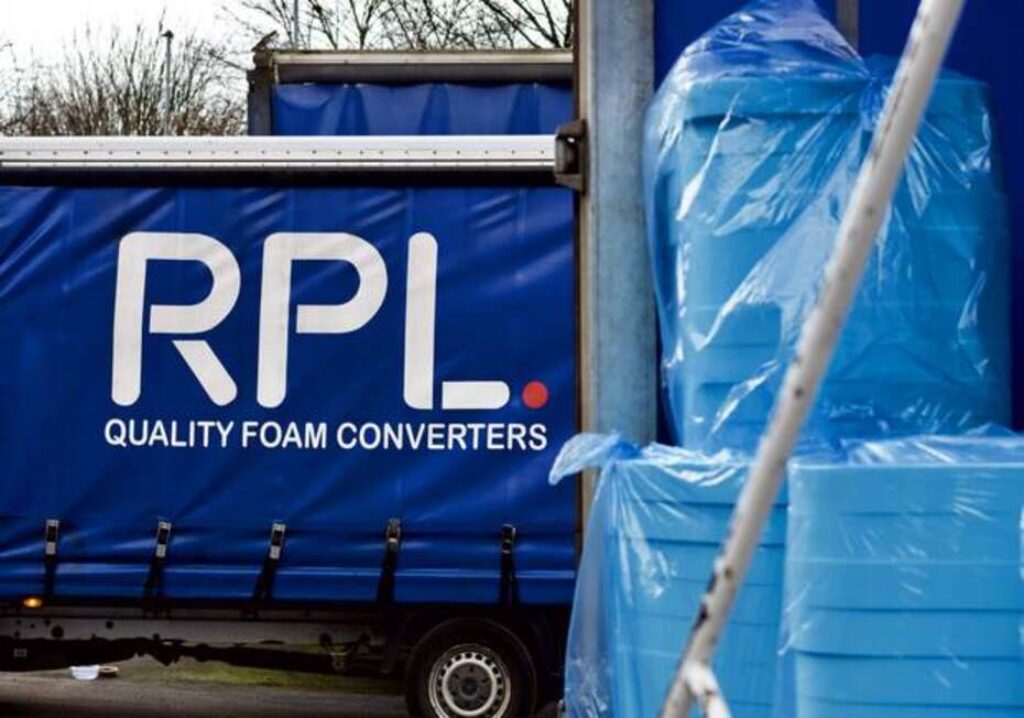
A foam converter specialises in altering foam materials by cutting, shaping, and customising them to meet precise specifications. This process allows the creation of components with exact dimensions, densities, and forms tailored for various industries such as automotive, furniture, healthcare, and packaging.

The versatility of foam conversion enables:

  • Creation of bespoke foam inserts, cushions, and protective packaging
  • Use of different foam types and combinations to achieve specific performance criteria
  • Enhanced product functionality and improved cost efficiency by avoiding generic foam solutions

Conversion techniques include cutting, bonding, laminating, and forming foam sheets or blocks into specific shapes. These customised products support equipment securely, improve comfort, or provide specialised protection depending on the application.

By providing tailored foam solutions, converters help businesses meet their exact requirements, reducing waste and increasing the effectiveness of foam in their products or operations.

Foam Conversion Service
Purpose

CNC foam cutting

Precise shapes and dimensions

Laminating

Bonding multiple foam layers

Die cutting

Mass production of foam components

Adhesive backing

Easy installation or assembly


Frequently Asked Questions

Foam_Converters_UK

How do foam converters improve the characteristics of foam products?

Foam converters reshape and modify foam using cutting, bonding, laminating, and shaping techniques. This process allows foam to meet precise requirements, enhancing properties such as firmness, flexibility, durability, and appearance. The customised approach ensures foam products are fit for their intended use.

Which sectors benefit most from foam conversion services?

Industries like automotive, furniture, packaging, sports equipment, bedding, and construction often use foam converters. These sectors require specific foam shapes, densities, or specialised properties to optimise comfort, protection, insulation, or durability in their products.

What types of services do foam converters provide to companies?

Foam converters offer custom cutting, shaping, laminating, adhesive application, and assembly services. They transform raw foam materials into tailored components that fit exact dimensions and functional criteria, supporting product development across a range of uses.

Can foam converters tailor foam materials for unique requirements?

Yes, foam converters adapt foam to specific demands by combining different foam types and applying techniques to achieve desired traits. This ensures foam products are suited to specialised functions, whether for cushioning, soundproofing, protective padding, or insulation.

What should be taken into account when choosing a foam conversion provider?

Important factors include the converter’s experience, range of foam types handled, technical capabilities, quality assurance processes, turnaround time, and ability to meet custom specifications. Evaluating these elements helps secure a reliable partner.

How do foam conversion companies address environmental concerns?

Many converters use sustainable practices such as recycling foam offcuts, selecting eco-friendly foam materials, and optimising manufacturing to minimise waste. These measures contribute to reducing the environmental impact of foam production and conversion.

Foam-Converters

We will be happy to hear your thoughts

Leave a reply

rpll.co.uk
Logo