Contract Foam for Commercial and Industrial Use

Product Characteristics and Industry Applications

Contract foam is a highly adaptable material widely used across commercial and industrial sectors due to its balanced combination of durability and comfort. Different types of foam possess distinct properties suited to specific operational demands, making the right choice critical for performance and longevity.

Several key foam varieties include:

  • Polyurethane Foam: Known for flexibility and resilience, this foam type is commonly applied in cushioning and insulation. Its uses span furniture, automotive, and bedding industries, where comfort and durability are priorities.
  • Polyethylene Foam: Offers greater rigidity and excellent shock absorption, making it suitable for protective packaging and impact-resistant applications.
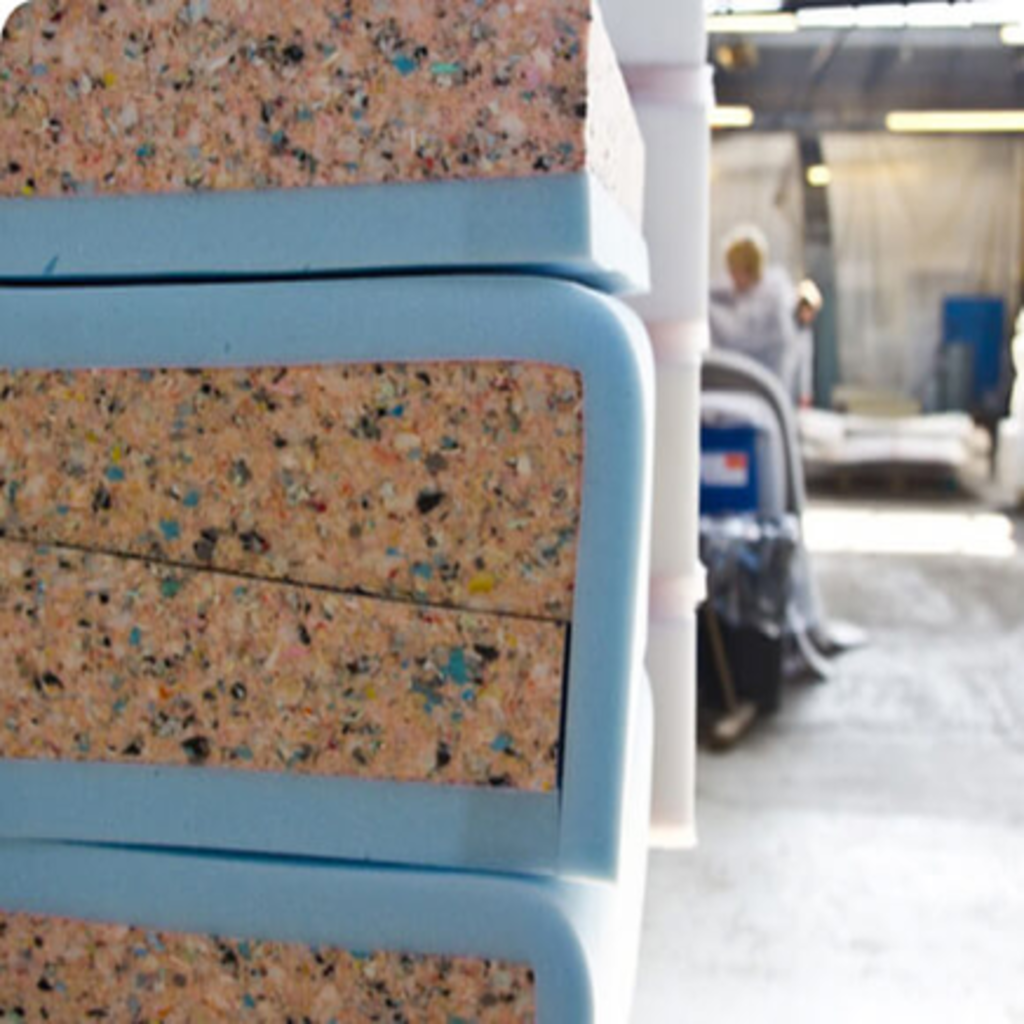
  • Reconstituted Foam: Created by bonding shredded foam, it provides firm support and cost efficiency, frequently used in contract seating solutions.

Material selection often relies on core characteristics such as foam density and firmness. Higher density foams contribute to durability, making them preferable for long-term, heavy-use products. Compression strength is vital to ensure the foam retains shape and functionality under continuous pressure, a necessary factor in furniture and bedding.

Additional foam benefits include:

  • Thermal Insulation: Foam materials help maintain stable temperatures, enhancing energy efficiency in buildings.
  • Acoustic Dampening: Certain foams reduce noise transmission, useful in construction and industrial environments for soundproofing.

In commercial settings, contract foam enhances comfort and functionality, especially in seating, mattresses, and upholstered furniture. Cushion quality directly influences user experience, and selecting appropriate foam ensures optimal support.

In industrial contexts, foam’s protective and cushioning features safeguard sensitive equipment during transit, reducing damage from shocks and vibrations. Its use extends to technical components where precise shaping and material properties are vital.

Foam Type
Primary Properties
Typical Applications
Polyurethane 
Flexible, durable, cushioning 
Furniture, automotive, bedding
 
Polyethylene 
Rigid, shock-absorbent 
Protective packaging, sports gear
 
Reconstituted Foam 
Firm, cost-effective 
Contract seating, upholstered commercial furniture

Installation and compliance with safety guidelines ensure that foam products meet industry standards. Proven performance outcomes across multiple projects reinforce contract foam’s integral role in maintaining quality and comfort in commercial and industrial operations.

The combination of material selection, physical properties, and application expertise makes contract foam a vital component in diverse operational environments.

Frequently Asked Questions

Seating_Foam_Contract_Foam

What key considerations guide the choice of foam materials for industrial applications?

When selecting foam for industrial use, factors such as density, durability, and flexibility are crucial. The foam’s resistance to chemicals, temperature tolerance, and load-bearing capacity also influence the choice. Additionally, the intended application, whether for cushioning, insulation, or protection, shapes the selection criteria.

In what ways does the foam production process influence the final product’s quality?

The manufacturing method affects foam consistency, strength, and performance. Precision in cutting and shaping ensures clean edges and accurate dimensions. Chemical additives can enhance properties like fire resistance or softness, while poor control may result in irregular texture or compromised durability.

What environmental concerns arise from applying spray foam in commercial buildings?

Spray foam can contain chemicals that impact indoor air quality during application. Its long-term environmental effects depend on the foam’s composition and potential off-gassing. Waste management and disposal of spray foam also require careful handling to reduce environmental harm.

How can industrial foam be customised to meet specific project requirements?

Foam can be tailored by altering its size, shape, density, and firmness. Services include cutting to precise dimensions and layering for additional support. Custom colouring and adding fire retardants or coatings are common to suit particular industry standards or design needs.

What distinguishes closed-cell foam from memory foam in commercial and industrial contexts?

Closed-cell foam has a dense structure providing superior moisture resistance and structural support. Memory foam is softer and moulds to pressure, offering enhanced comfort but less stiffness. The choice depends on whether the application requires firm support or cushioning adaptability.

How do industry regulations influence the design and use of foam products?

Safety standards dictate fire retardancy and chemical composition requirements. Regulations may constrain material choices and manufacturing processes to ensure health and environmental protection. Compliance is essential for market approval and continued use in regulated sectors.

We will be happy to hear your thoughts

Leave a reply

rpll.co.uk
Logo