What Is The Best Foam For Sofa Cushions: Expert Guide To Comfort And Durability

Overview of Foam Types for Sofa Cushions

Selecting the right foam for sofa cushions involves weighing factors like comfort, support, and durability to suit different preferences and usage. Foam types vary widely in their firmness and density, which affects both how the sofa feels and how long it lasts.

High-resilience (HR) foam is widely regarded as a reliable choice due to its combination of durability and comfort. It maintains its shape well under frequent use, offering firm yet pleasant support.

Memory foam adapts by contouring to the body, providing a softer, more personalised sitting experience, but it may not always offer the same level of durability as HR foam for heavier use.

Polyurethane foam comes in a range of densities, making it a flexible option for various budgets and comfort levels. Softer foams are often used for back cushions, while firmer variants suit seat cushions better.

Foam Type
Comfort Level
Durability
Typical Use
High-Resilience 
Medium-Firm 
High 
Seat cushions, heavy use
 
Memory Foam 
Soft, contouring 
Moderate 
Back cushions, softer seats
 
Polyurethane Foam 
Varies 
Moderate to high 
General use, budget options

Choosing foam involves balancing immediate comfort with long-term support and budget constraints.

Frequently Asked Questions

Sofa-Cushions-Foam

What should be taken into account when choosing foam for sofa seat cushions?

Choosing foam for sofa seat cushions involves balancing comfort, support, and durability. Key factors include foam density, firmness, and intended use. Higher density foams generally provide better support and longer lifespan. Consideration should also be given to whether the sofa will be used indoors or outdoors, as some foams are better suited to moisture and quick drying.

How does high-density foam measure up against other foams for durability and comfort?

High-density foam typically lasts longer and maintains its shape better than lower density alternatives. It offers firm support which helps prevent sagging over time. Compared with polyester or low-density foam, it tends to provide a more comfortable and consistent seating experience, especially in high-use furniture.

Where is it best to source quality foam for sofa cushion replacement?

Specialist foam suppliers or upholstery shops often provide a range of foam grades suitable for sofa cushions. Customers should seek vendors offering detailed information on foam density and firmness to ensure they select the correct type. Online retailers with good reviews and return policies are also viable options for purchasing foam.

What advantages does extra firm high-density upholstery foam offer for sofas?

Extra firm high-density foam provides robust support that maintains its shape under frequent use. It is particularly beneficial for individuals who prefer a firmer seat or require better posture alignment. This type of foam also resists compression and sagging, contributing to the sofa’s durability.

How do different upholstery foams suit various furniture types?

Foam types vary widely depending on the furniture’s function. Softer, lower density foams suit back cushions or accent chairs where comfort is key, while firmer, higher density foams are better for seat cushions in sofas that see daily use. Outdoor furniture typically uses specialised quick-drying foams designed to resist moisture and mildew.

What is the typical lifespan of high-density foam used in sofa cushions?

High-density foam can last up to 10 years or more when used in sofa cushions, depending on usage and maintenance. Its durability comes from its resistance to flattening and sagging. Sofas subjected to heavy use may experience foam deterioration sooner, but proper care can extend its functional life.

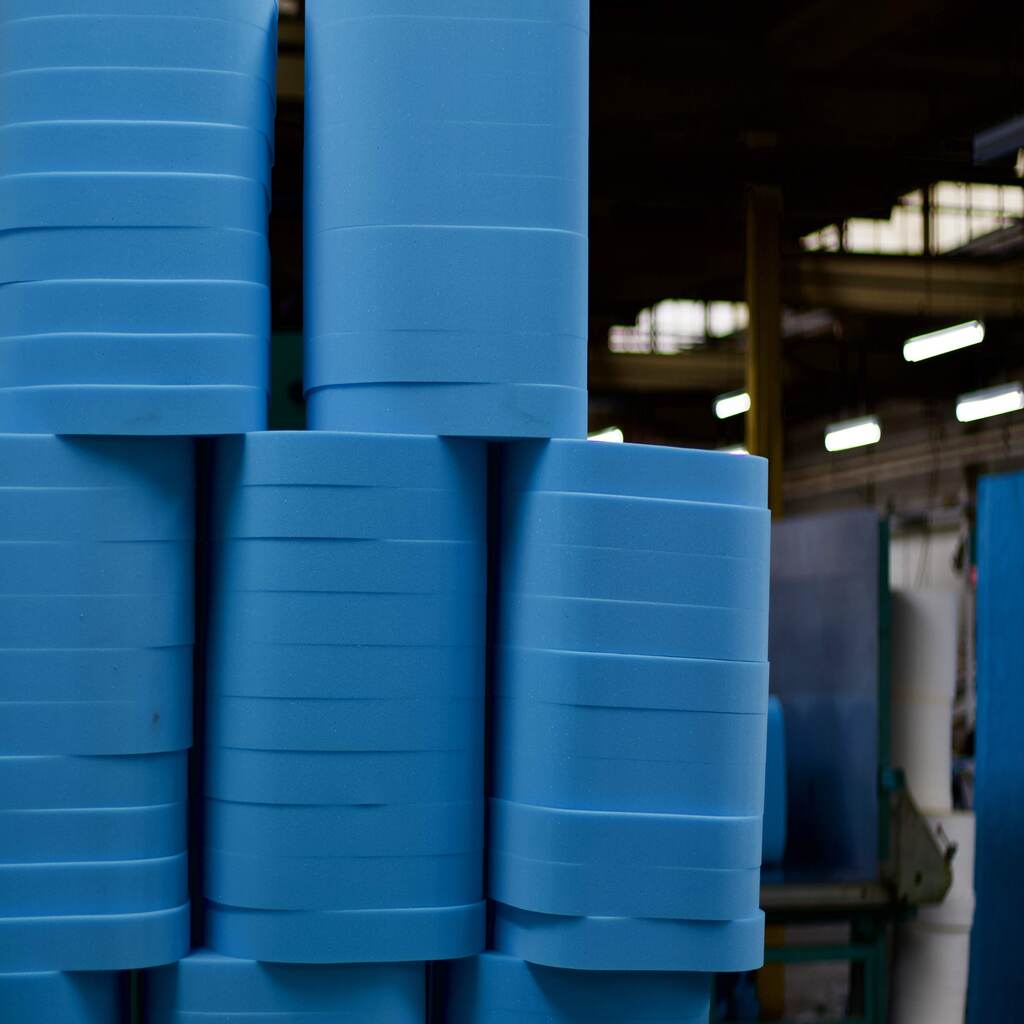
Best-Foam-for-Sofa-Cushions

We will be happy to hear your thoughts

Leave a reply

rpll.co.uk
Logo