How Foam Improves Seating in Public Transport

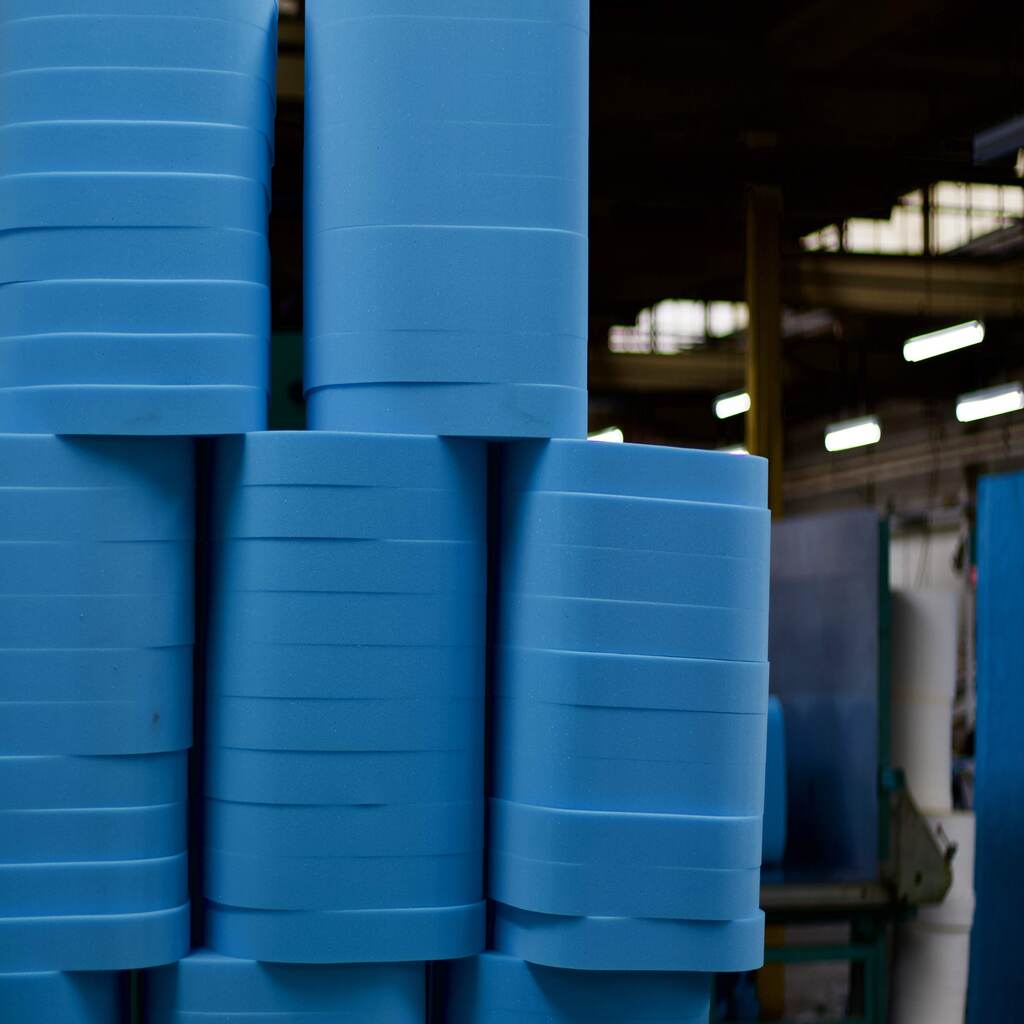
Foam plays a critical role in enhancing seating comfort and safety in public transport. Its lightweight and resilient properties provide passengers with better cushioning, reducing fatigue during long journeys. The use of polyurethane foam in seats significantly improves comfort by optimising pressure distribution and minimising vibration effects.

Beyond comfort, foam also adds functional benefits such as noise reduction and vibration resistance, which contribute to a smoother travel experience. Advances in foam technology have allowed manufacturers to meet strict safety standards while delivering durable and ergonomic seating solutions.

Passengers rely on well-designed seats for a comfortable journey, and the integration of foam materials addresses this need effectively. By combining comfort with safety, foam remains a key component in public transport seating innovation.

Benefits of Foam in Public Transport Seating

Foam plays a critical role in enhancing the functionality and user experience of public transport seating. Its unique properties address multiple factors such as comfort, ergonomics, noise, and vibration, which collectively improve passenger satisfaction and safety during travel.

Enhanced Comfort for Passengers

Foam is essential for providing cushioning that reduces pressure points on passengers, preventing discomfort during long journeys. The mechanical properties of foam, such as its density and resilience, help maintain consistent support by evenly distributing body weight. This prevents the “bottoming out” effect where passengers might otherwise feel the hard seat frame beneath.

Materials like polyurethane foam are widely used because they retain their shape and cushioning effect even after extended use. High-density foams in particular offer durability without sacrificing softness, making them ideal for the repeated use typical in public transport. Additionally, foam’s ability to regulate temperature at the interface between the passenger and seat enhances thermal comfort.

Improved Ergonomics

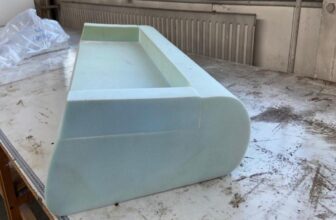
Foam contributes to ergonomically designed seating by moulding to body contours and supporting correct posture. Pre-shaped foam supports are utilised in some transport seating to better align body joints and reduce fatigue during travel.

Ergonomic foam seats prevent localized stress on the spine and hips, which is vital in low-vibration, seated environments such as buses and trains. The adaptability of foam allows designers to create seats that accommodate various body types, improving accessibility and reducing strain-related injuries.

Noise Reduction Benefits

Foam functions as an effective acoustic insulator in public transport seating. It absorbs ambient noise generated by engines, road surfaces, and passengers, contributing to a quieter cabin environment.

Reduction in noise levels is important not only for passenger comfort but also to minimise stress and fatigue during travel. EVA foam and other specialised foams have proven effective in dampening high-frequency sounds and muffling mechanical noise, making journeys more pleasant and less tiring.

Vibration Dampening

Vibration from engines and road irregularities can cause discomfort and fatigue. Foam materials are beneficial in absorbing and reducing these vibrations, improving the overall ride quality.

Materials with high resilience convert vibrational energy into minimal movement felt by passengers. This dampening effect reduces muscle strain and prevents prolonged exposure to micro-vibrations, which can lead to discomfort or health issues.

Foam’s use in transport seating supports smoother and less jarring travel experiences, particularly on buses and trains where vibrations are frequent.

Foam Type
Transport Application

Polyurethane foam

Bus and train seating

High-resilience foam

Long-life commercial seating

EVA foam

Vibration dampening


Innovations and Considerations in Foam Applications

Foam-Converters

Advancements in foam materials have greatly enhanced seating comfort and performance in public transport. Key concerns include selecting the right foam type for durability and meeting environmental standards. These factors shape the development and use of foam in this sector.

Advanced Foam Materials

New foam formulations focus on improving comfort through better support and resilience. High-resilience (HR) foams are commonly used for their ability to maintain shape under repeated use, providing consistent comfort.

Bio-based polyols are increasingly integrated into polyurethane foams to improve sustainability without compromising performance. These blends can enhance cushioning and reduce reliance on petroleum-derived materials.

Manufacturers now also prioritise foam that meets specific deflection and static comfort criteria to match the diverse needs of public transport seating ergonomics.

Durability and Longevity

Durability is essential for seating foams in public transport due to constant use and heavy loads. Foams must resist compression fatigue, maintaining cushioning properties over time.

High-quality foams are tested for their resistance to sagging, tearing, and moisture absorption. Closed-cell foams are particularly valued for their moisture resistance, which reduces deterioration in humid environments.

Effective foam selection balances cost and lifespan, ensuring that seating remains comfortable and safe without frequent replacements, reducing long-term maintenance costs.

Sustainability and Environmental Impact

Sustainable foam production is gaining emphasis in public transport seating to meet environmental regulations and consumer demand.

Using bio-polyol blends reduces carbon footprint by replacing fossil-based components. Additionally, manufacturers explore recycling protocols and waste reduction techniques in foam production.

Advancements such as laser cutting and bonding methods help minimise foam waste during manufacture. This approach both lowers costs and supports eco-friendly practices in the industry.

Frequently Asked Questions

Sofa-Cushions-Foam

Foam in public transport seating offers distinct advantages related to comfort, durability, safety, and maintenance. Its material properties directly influence passenger experience and operational efficiency.

What are the benefits of using foam in public transport seating?

Foam provides cushioning that improves seating comfort and reduces fatigue on long journeys. It also allows for customised designs that fit different seating configurations and passenger needs.

Additionally, foam contributes to weight reduction in vehicles, enhancing fuel efficiency. Its versatility supports various manufacturing processes, creating employment and economic benefits in the transport sector.

How does foam contribute to passenger comfort in public transport?

Foam distributes pressure evenly across the seat surface, minimising discomfort caused by prolonged sitting. It adapts to body contours, offering support that can reduce muscle strain and improve posture.

The material’s resilience ensures that comfort is maintained over time despite frequent use. It also helps regulate temperature at the contact surface, which adds to the overall comfort level.

In what ways does foam enhance the durability of public transport seats?

Foam materials used in transport are designed to withstand constant usage without significant degradation. Their resistance to deformation and ability to recover shape prolongs seat lifespan.

Some foams also resist moisture and wear, which is crucial in public vehicles exposed to variable environmental conditions. This durability reduces maintenance and replacement costs.

What types of foam are commonly used in public transport seating?

Flexible polyurethane foam is the most widely used due to its balance of comfort, durability, and cost-effectiveness. Melamine foam is sometimes applied for its hydrophobic properties, useful in environments prone to moisture.

These types of foam are selected based on specific performance requirements, including support level, resilience, and resistance to environmental factors.

How does foam seating impact the maintenance and cleaning processes of public transport vehicles?

Foam can be combined with covers that are easy to clean or replace, aiding hygiene maintenance. Hydrophobic foams reduce moisture retention, lowering the risk of mould and odours.

Durable foam reduces the frequency of seat replacement, which decreases downtime and maintenance efforts for operators.

Can the use of foam in public transport seats improve overall safety for passengers?

Foam seating provides cushioning that can reduce injury risk during sudden stops or collisions. Its capacity to absorb impact energy adds a layer of protection beyond structural safety measures.

Designs incorporating foam also allow for ergonomic shaping, which supports passenger stability and reduces the likelihood of discomfort-induced distractions.

We will be happy to hear your thoughts

Leave a reply

rpll.co.uk
Logo